This site uses cookies – More Information.
Labyrinth
Labyrinth
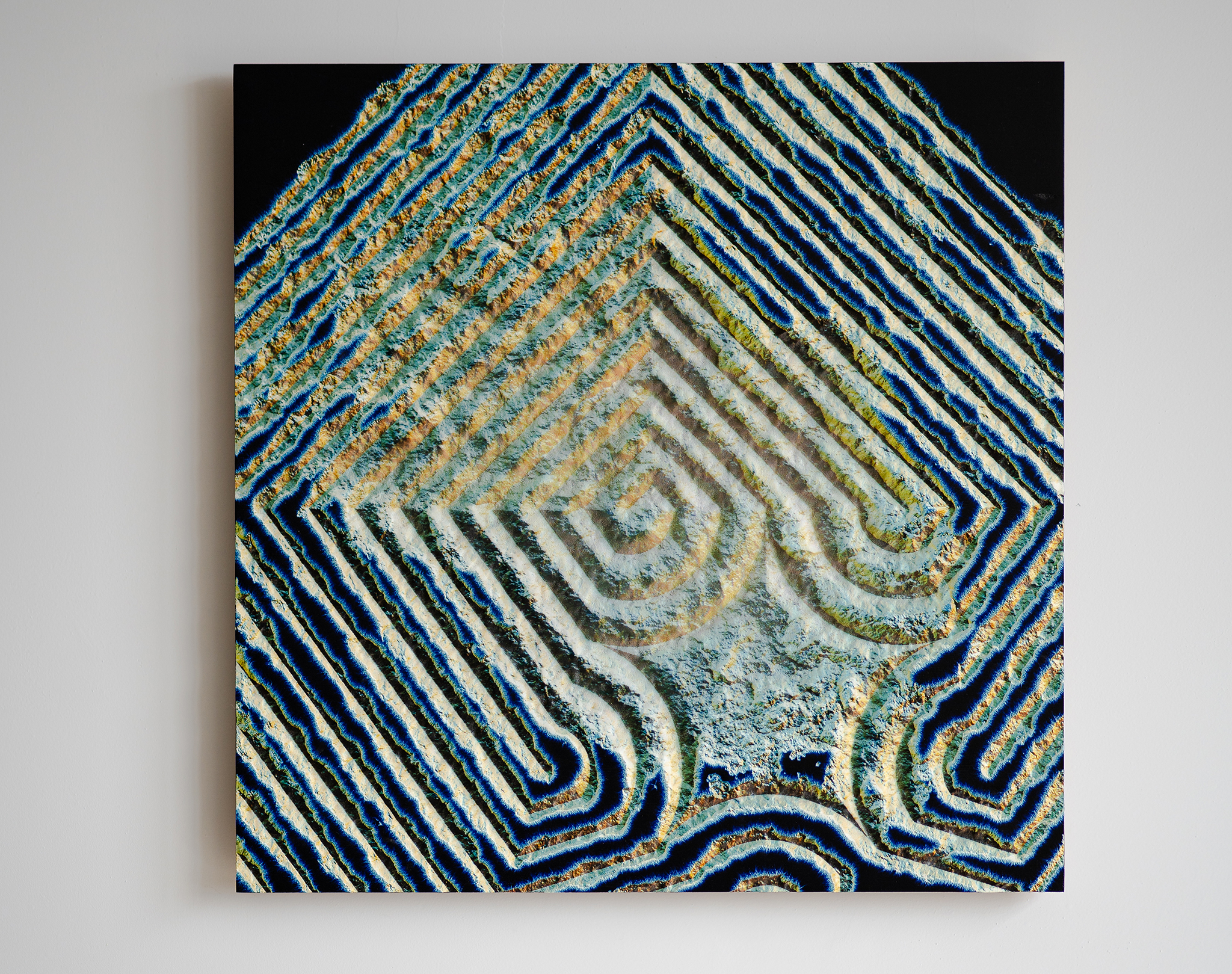
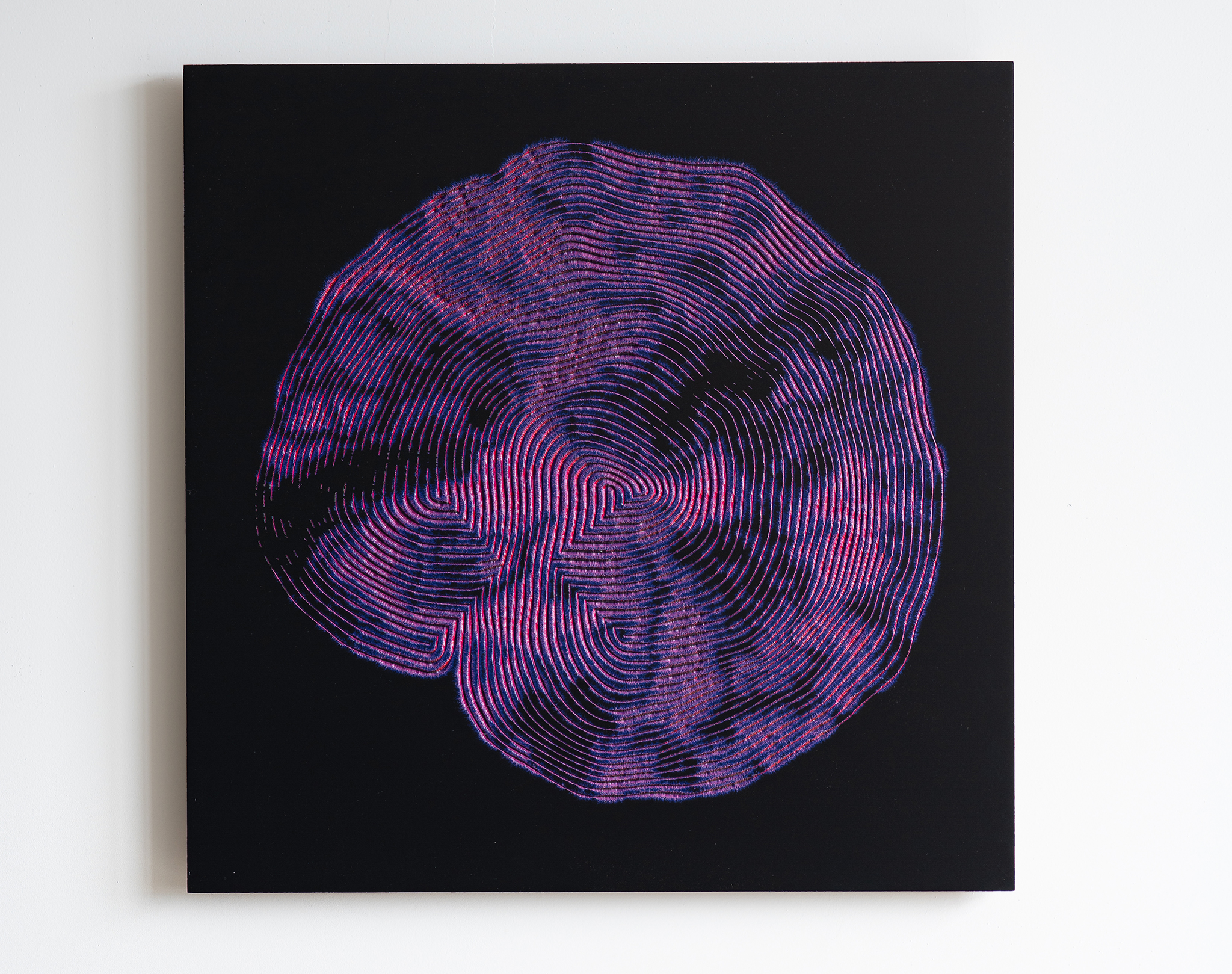
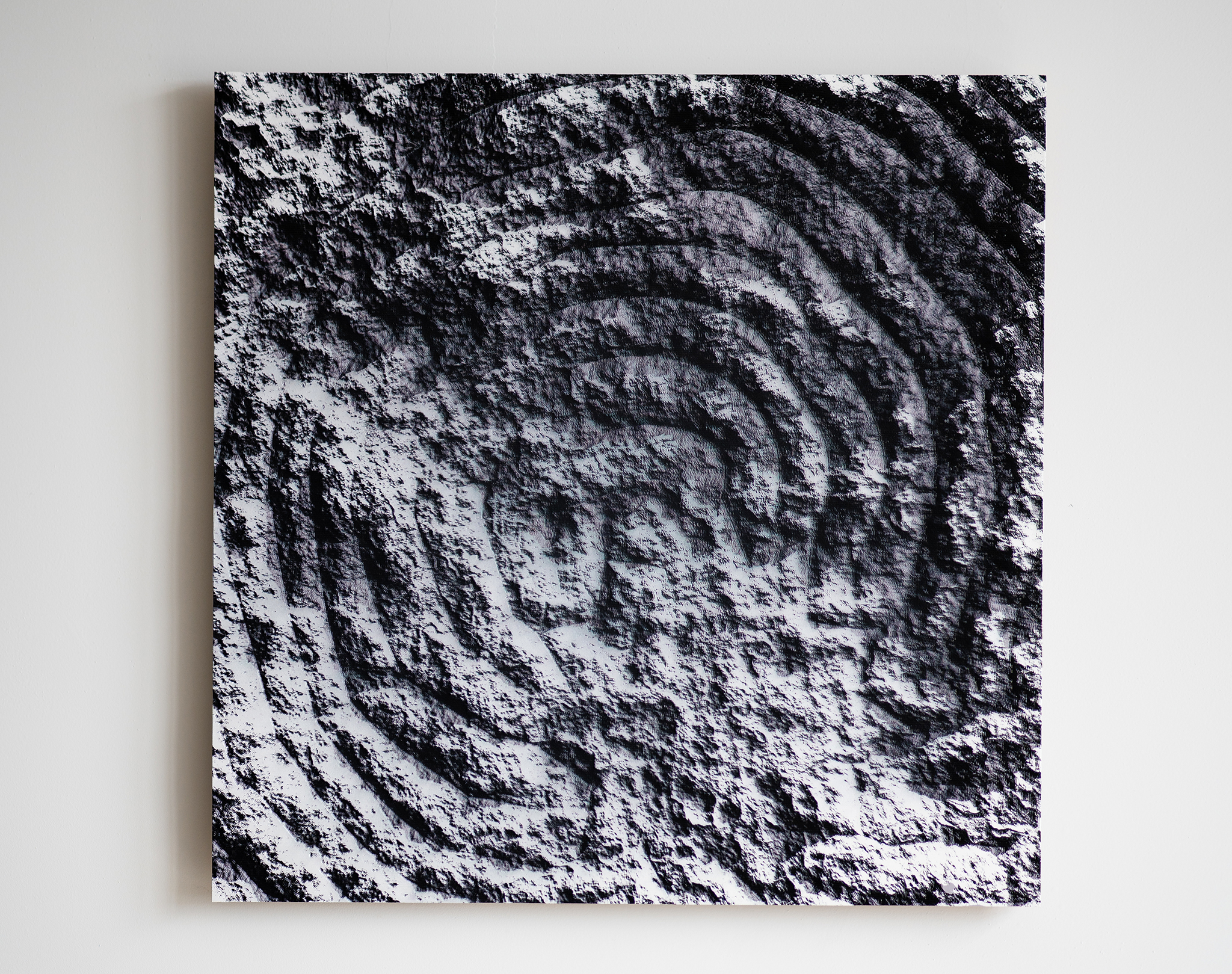
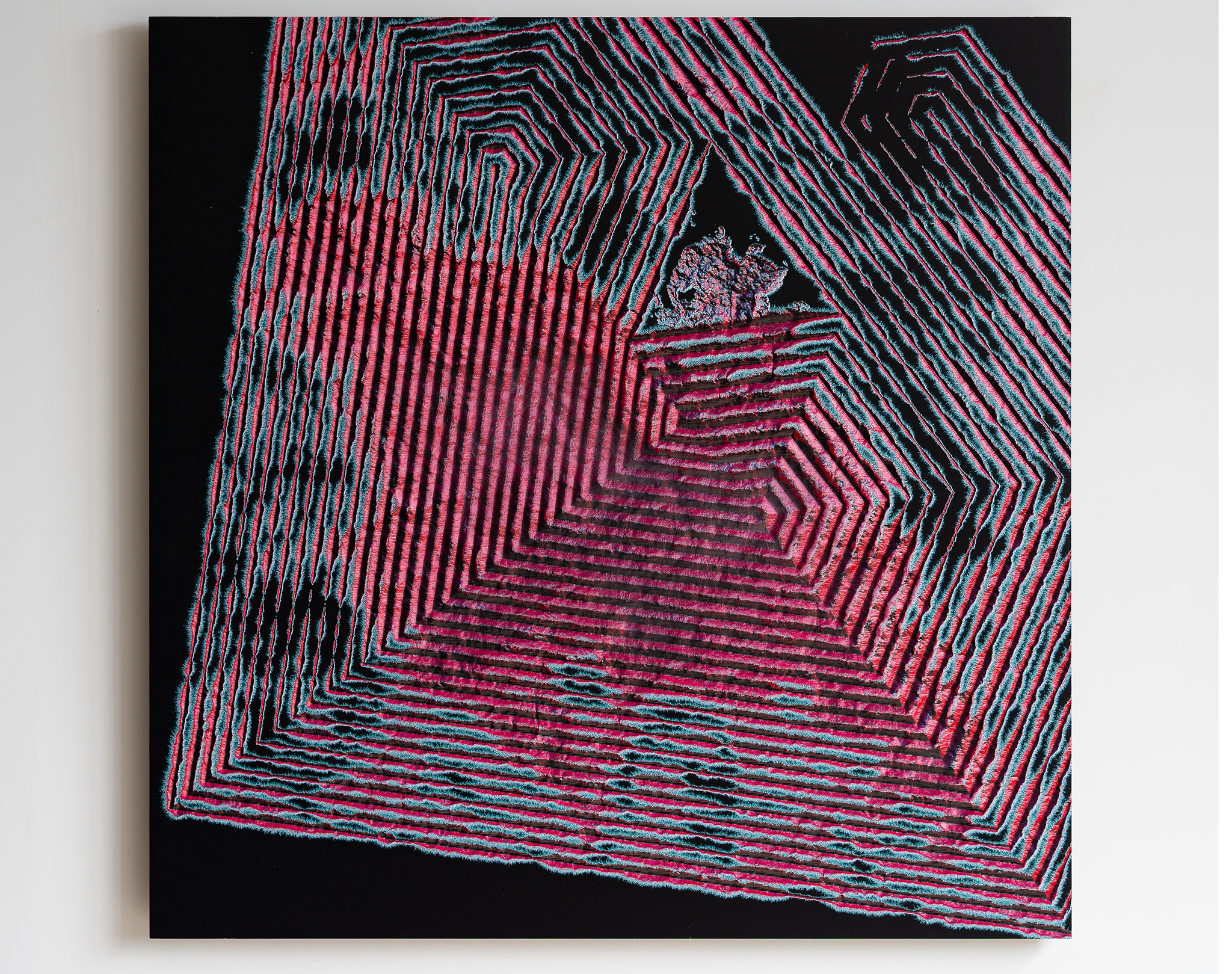
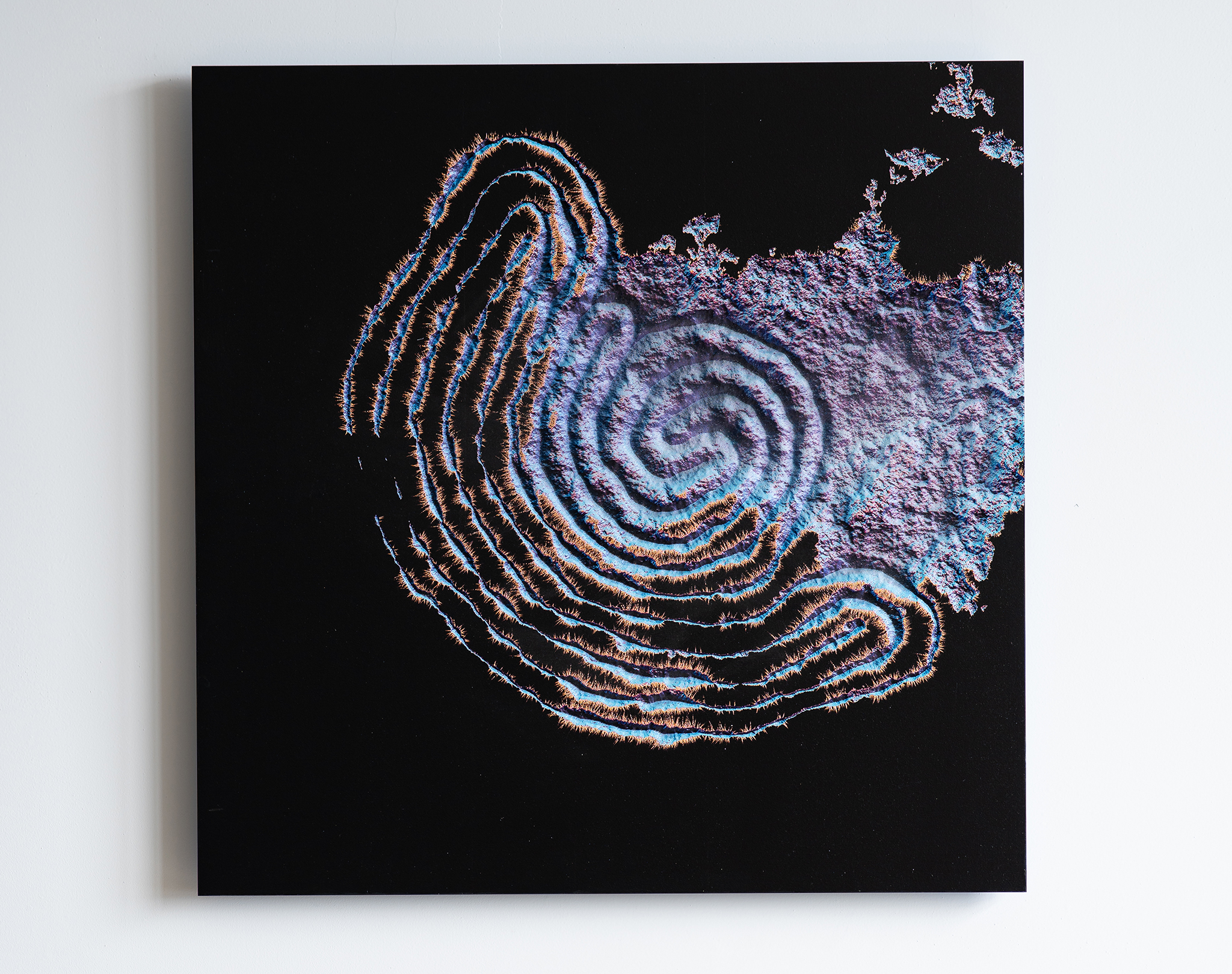
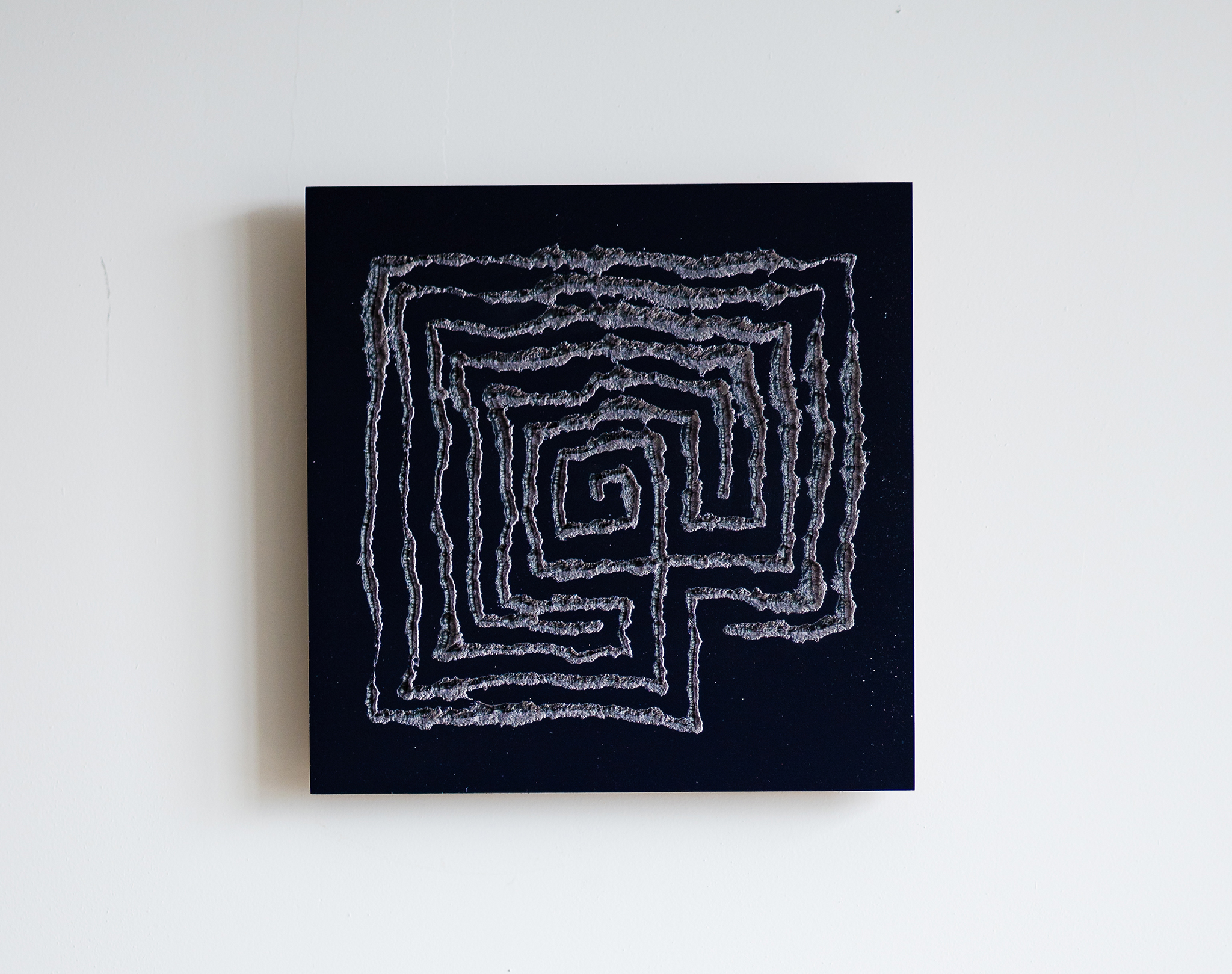
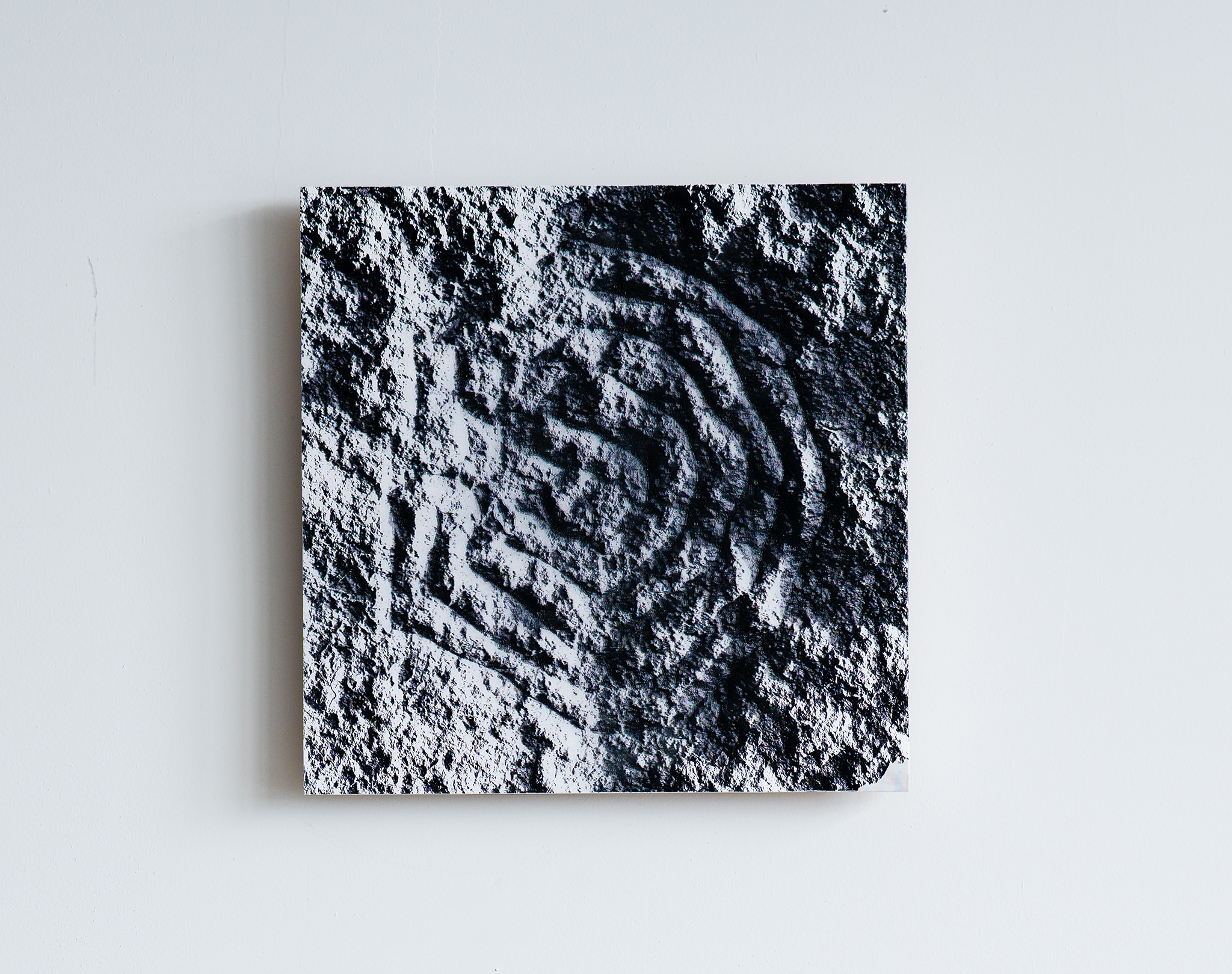
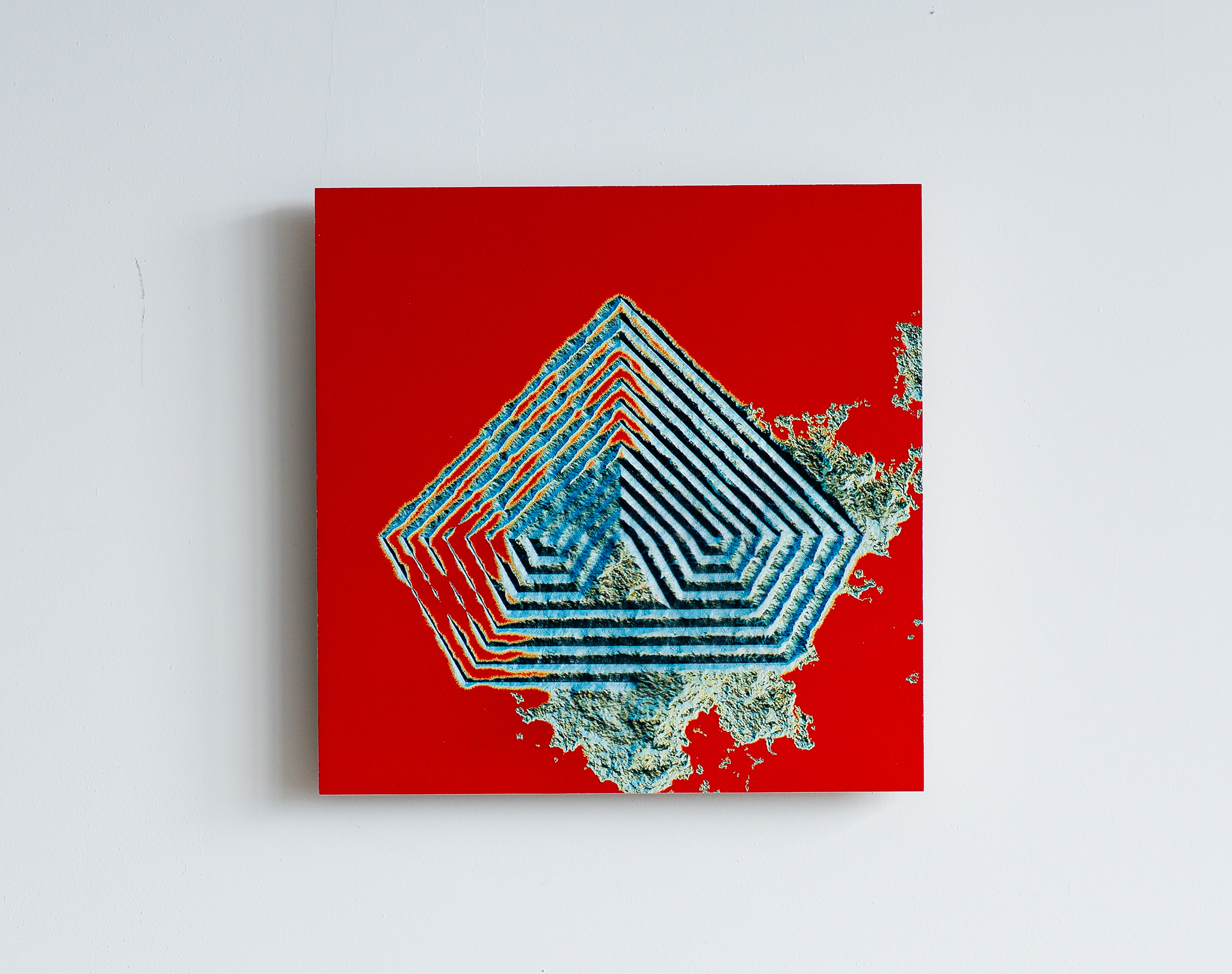
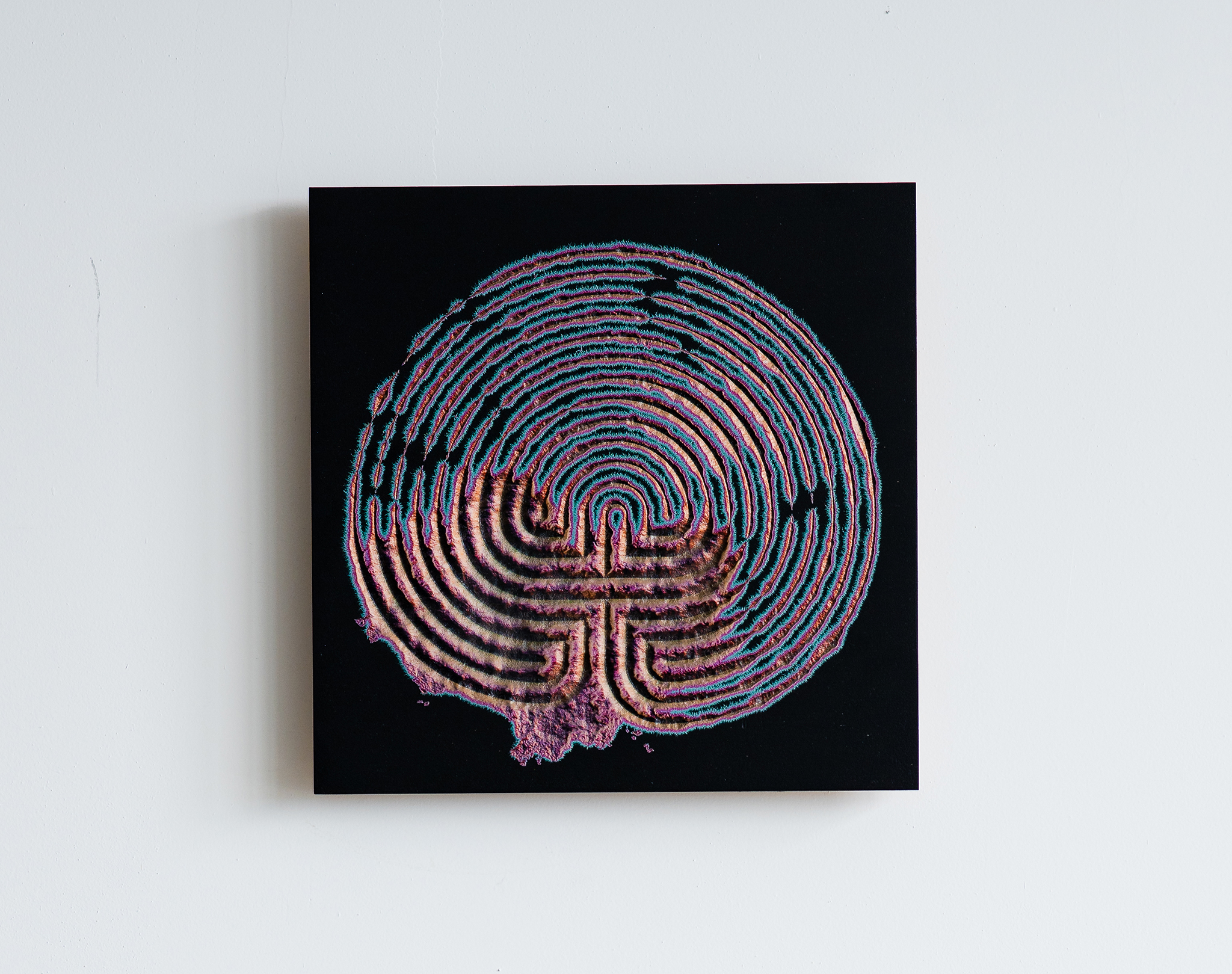
Labyrinths are spaces to get lost in. Human inventions of geometry for the purpose of contemplation, meditation, and ascension. Their long history demonstrates that “getting lost” is a foil for a vast range of spatial contemplations and material outcomes. Yet the irony of the Labyrinth is that you only get lost in your own mind.
status
Ongoing
year
2026
Hand-coded by the following Humans:
Jesse Bassett (Lead developer), Nic Amitrano, Benjamin Aranda, Chris Lasch
Exhibition & Release
Heft Gallery
Fabrication Support
AACE Lab, The Cooper Union School of Architecture, IDC Foundation
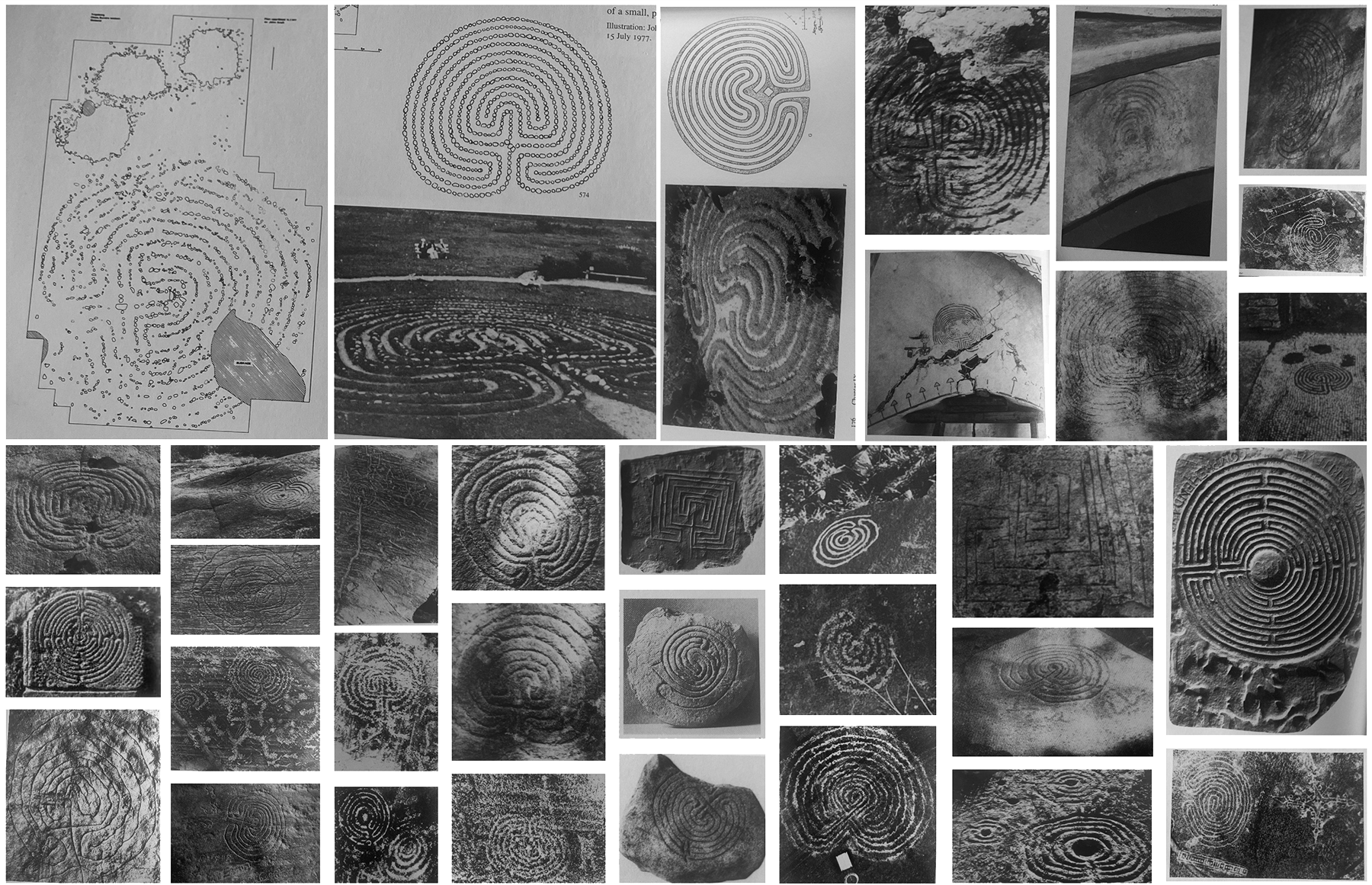
Historical unicursal labyrinths in a range of scales and materials from Through the Labyrinth: Designs and Meanings Over 5,000 Years by Hermann Kern.
Most labyrinths are unicursal: a single path leading towards a destination. One way in, one way out. The elaboration of these patterns may vary but the result is always based on this simple logic. Its persistence over millennia and across cultures points to a deep connection between algorithmic thought and human ritual.
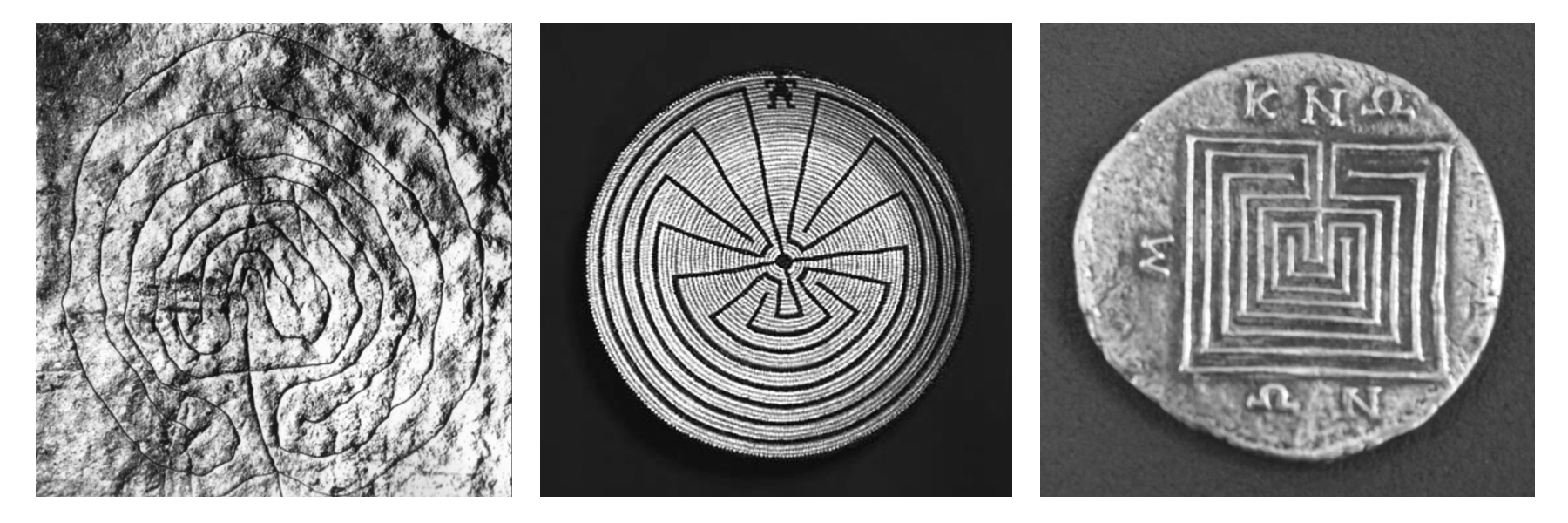
(left) Unicursal labyrinth tomb carving in Sardinia c. 2500 BCE attributed to the San Michele culture.
(middle) Earliest known example of the Man in the Maze weave in Native American basketry, c. 1900,
Akimel O’odham. (right) Silver coin, Knossos, Crete c. 200 BCE depicting Daedalus’ unicursal labyrinth
from Greek mythology.
THE LABYRINTH IS THE ORIGINAL ALGORITHM
While weaving predates it as a material process, the labyrinth is humanity’s original algorithm designed for contemplation, not utility. The same labyrinth, the same method of drawing, can be found across a vast range of cultures and eras. These historical labyrinths show that underscoring the bare rationality of labyrinth drawing, of turning corners and making loops, is something quite profound. Traveling through a labyrinth is a contemplative act and often a stepping-stone to the allegorical, spiritual, and irrational realms. In the labyrinth, the human mind finds both a shared space of purpose and a collective outlet for getting lost. It orients us to our humanity.
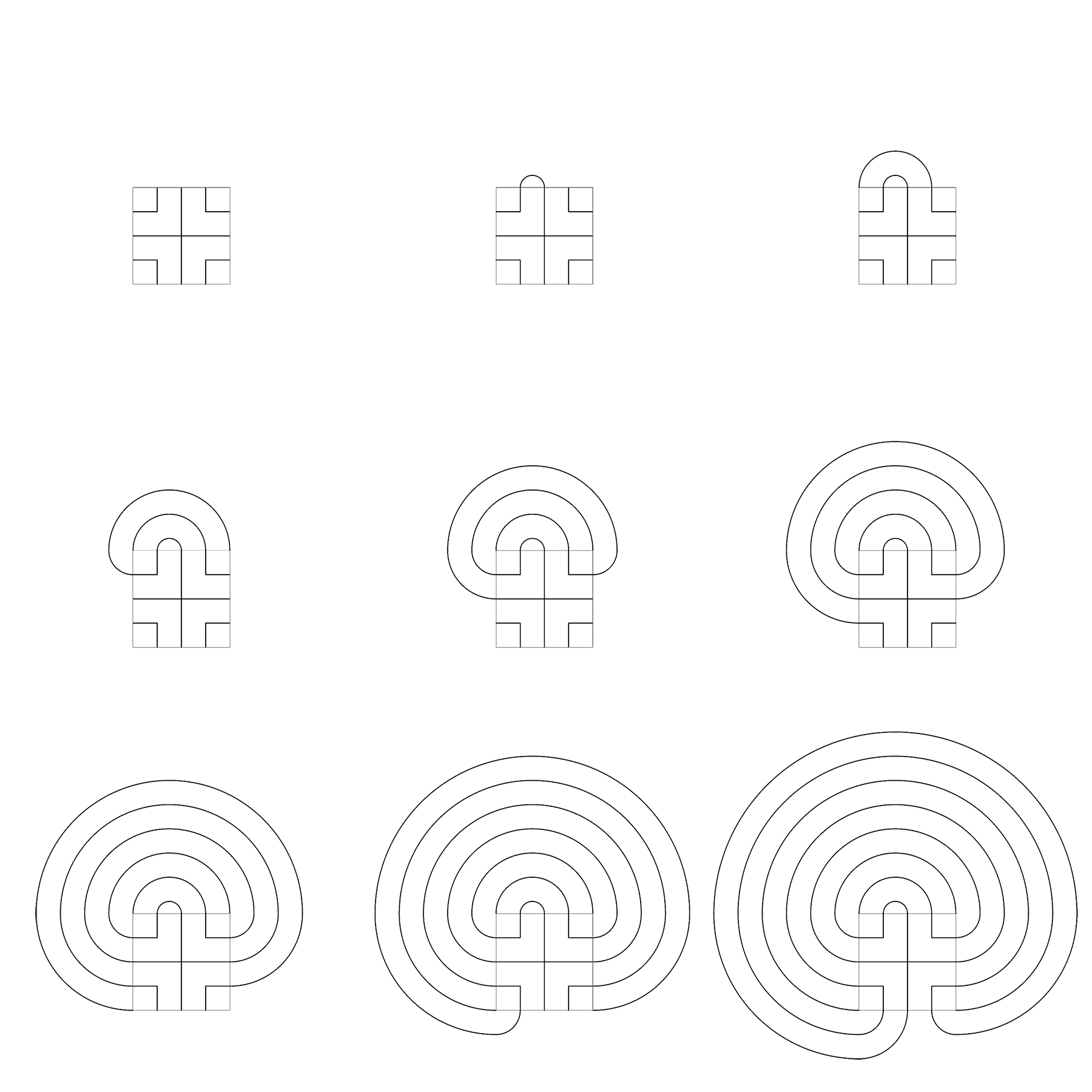
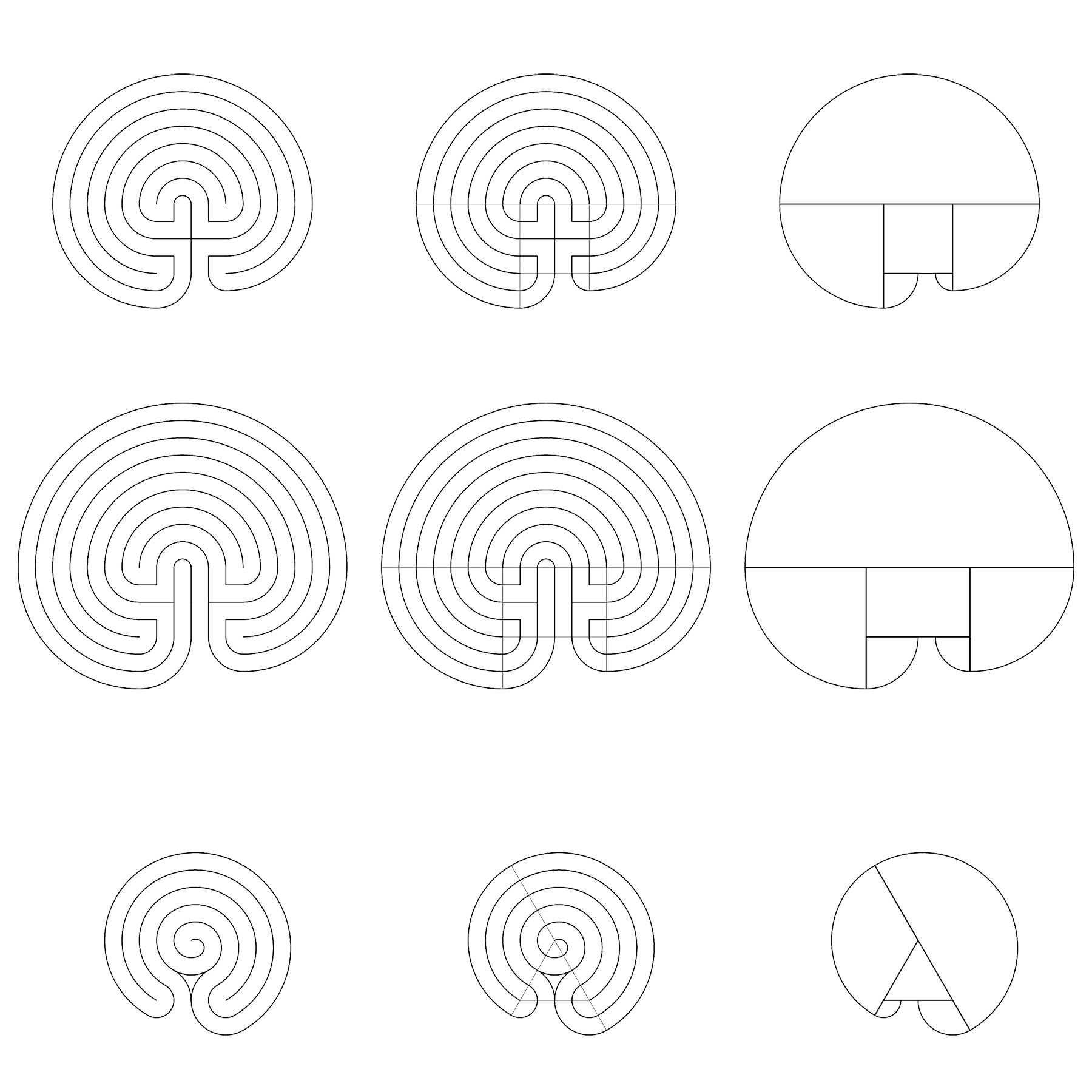
- The classic Unicursal diagram. The "key" is the starting grid, connected by alternating arcs.
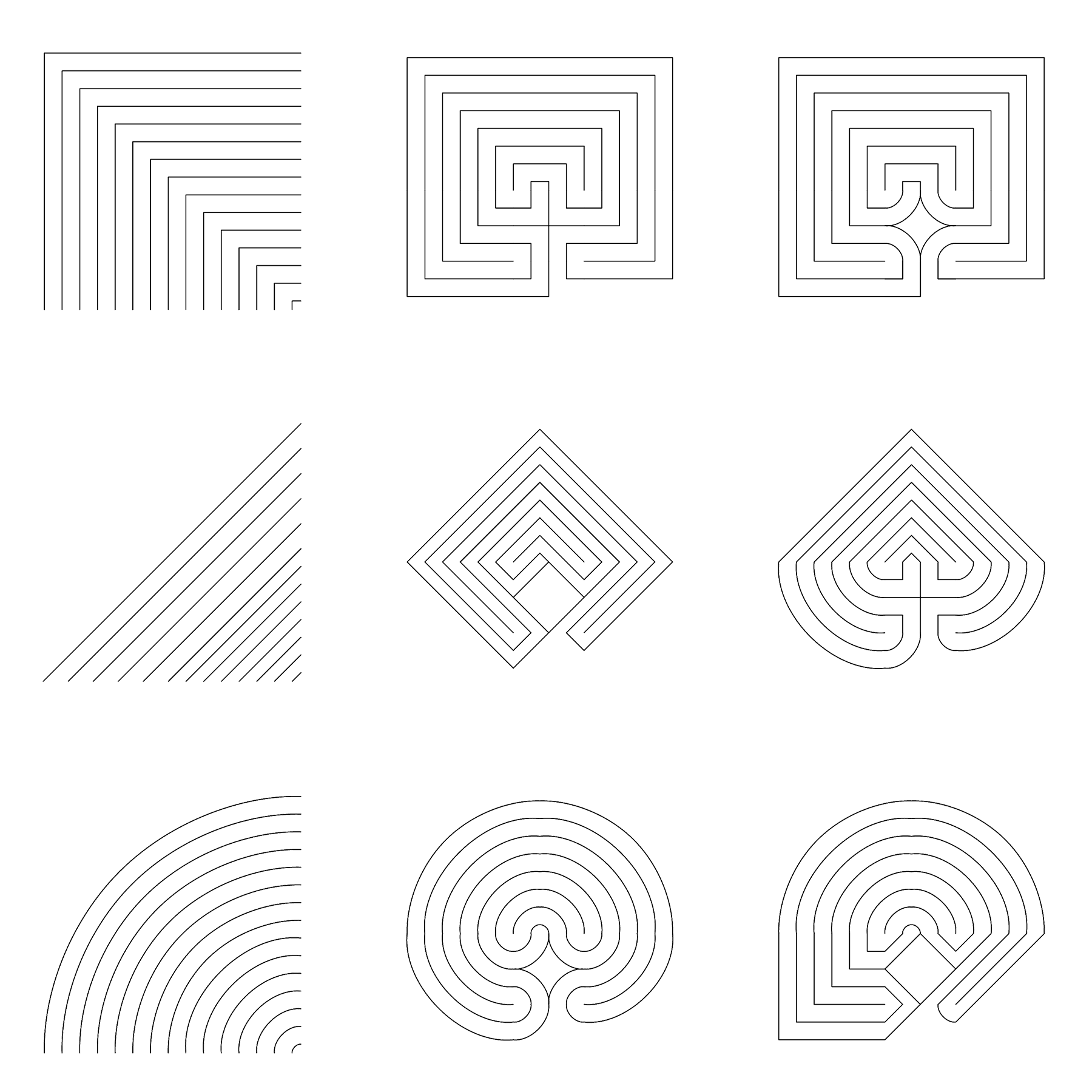
- Unicursal Sketches using arcs and varying keys.
- Unicursal Sketches using straight lines, arcs and combinations.
LABYRINTH GEOMETRY
A labyrinth is not generated in the same way as a typical maze. There is nothing to solve, no game to play. Computationally, algorithms for mazes are germain to the history of algorithmic code. Procedures like the Depth-First Algorithm have long been used for various maze building and even generalized search techniques. But the unicursal labyrinth does not have that general use and therefore, maybe surprisingly, finding open source code for it is rare. It turns out that computational algorithms for basic human contemplation, the kind that labyrinths have been outlining for millennia, is still novel for the computer. And that is why we started our own verson of the Labyrinth.
THE LABYRINTH - IMAGE & OBJECT
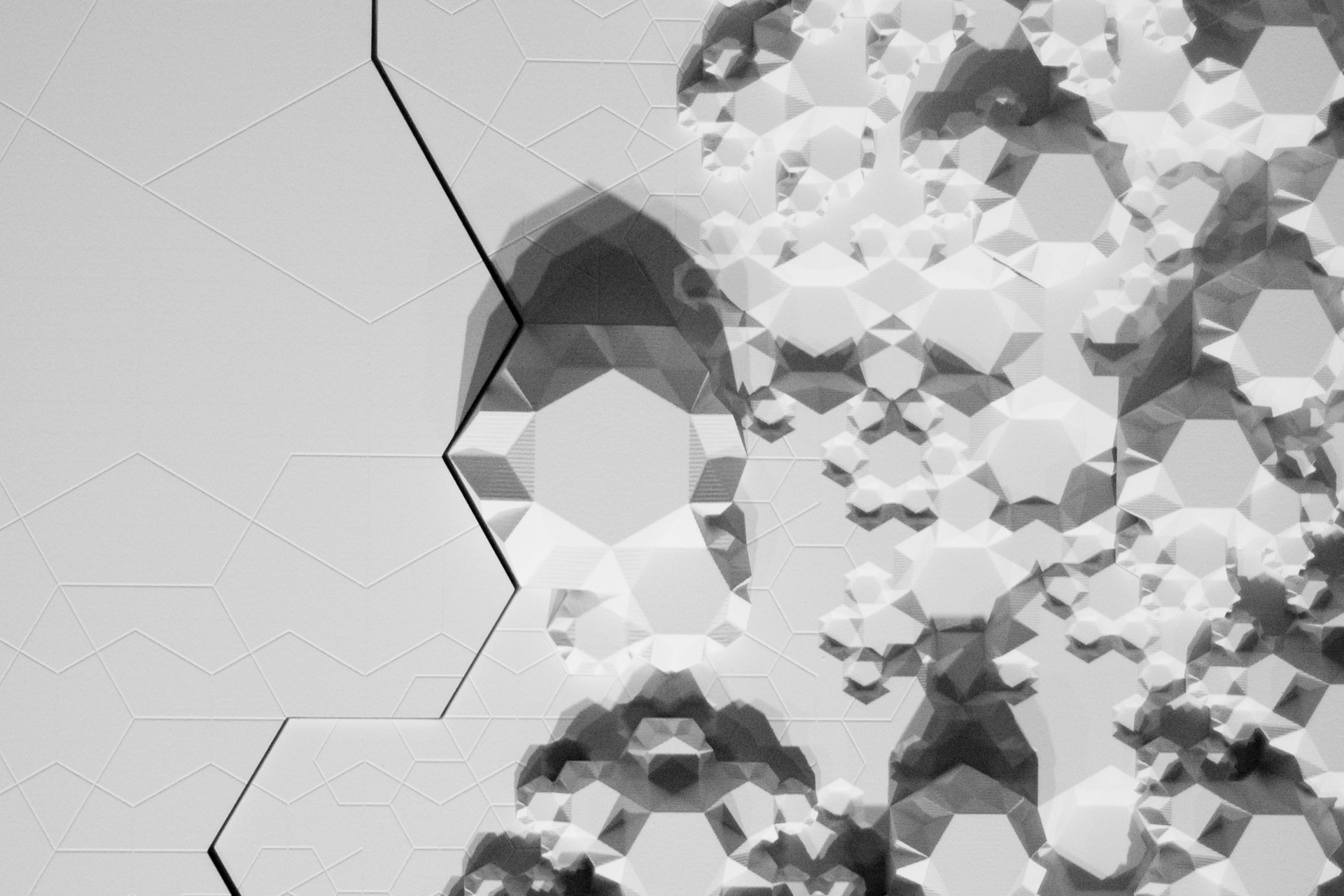
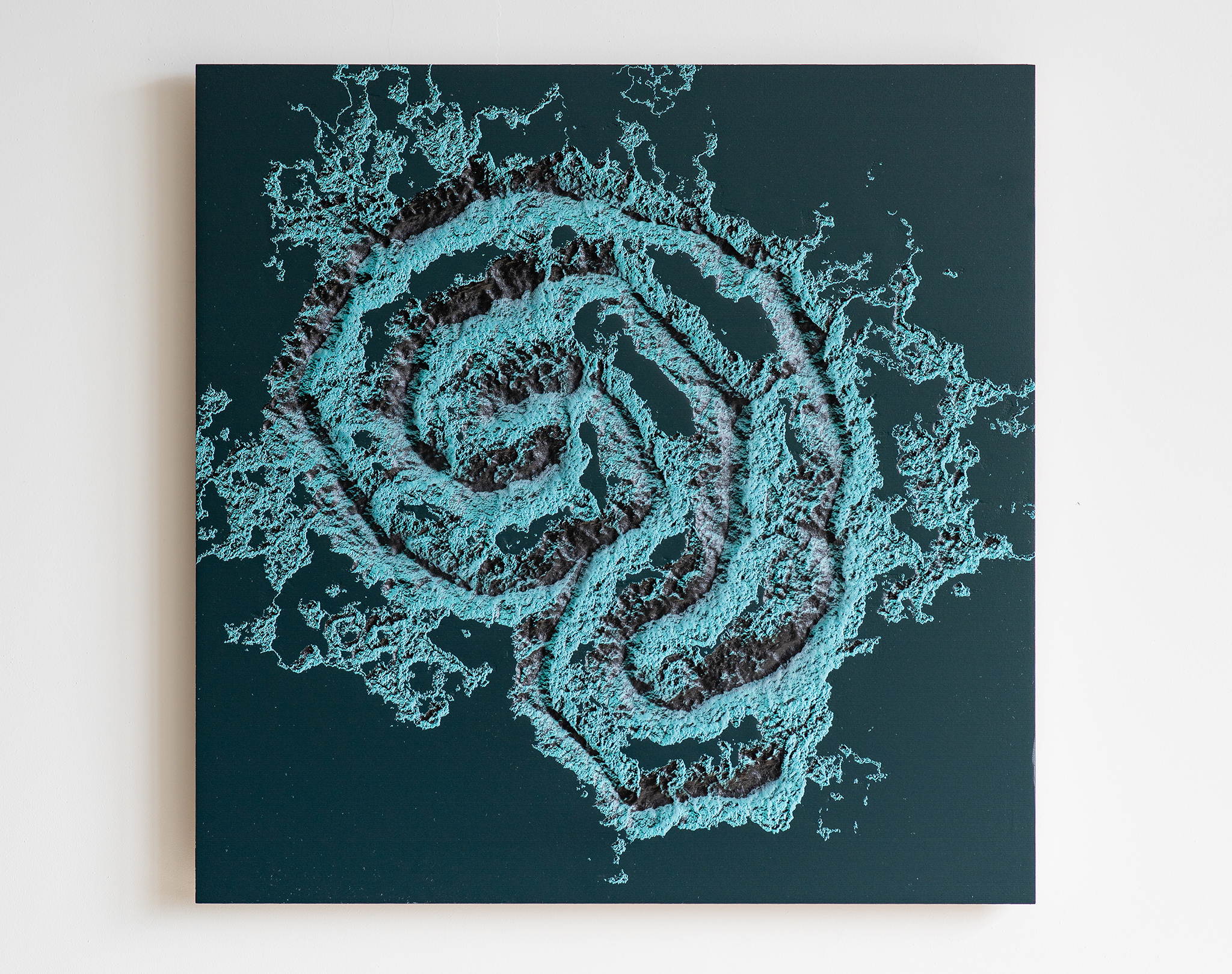
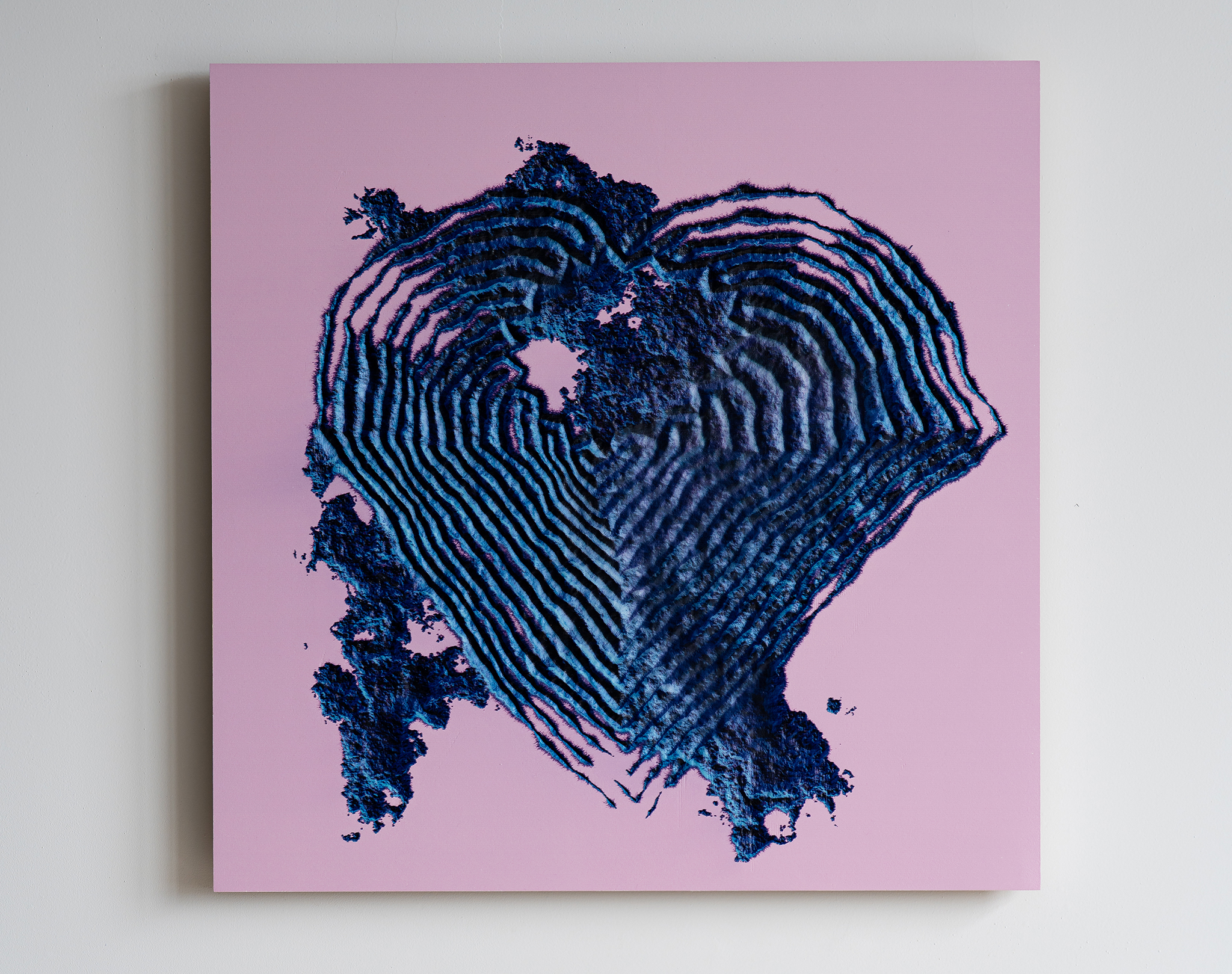
The Labyrinth project bridges the boundary between generative image and physical form. It launches initially with an exclusive set of wall-mounted physical reliefs featuring high-resolution, full-color, three-dimensional texture, and expands through a digital edition of 400 unique artworks. Each digital release grants its owner the license to make a physical relief through this custom process. By enabling the digital outputs to manifest as tactile artifacts, the project investigates the space where image and object merge.
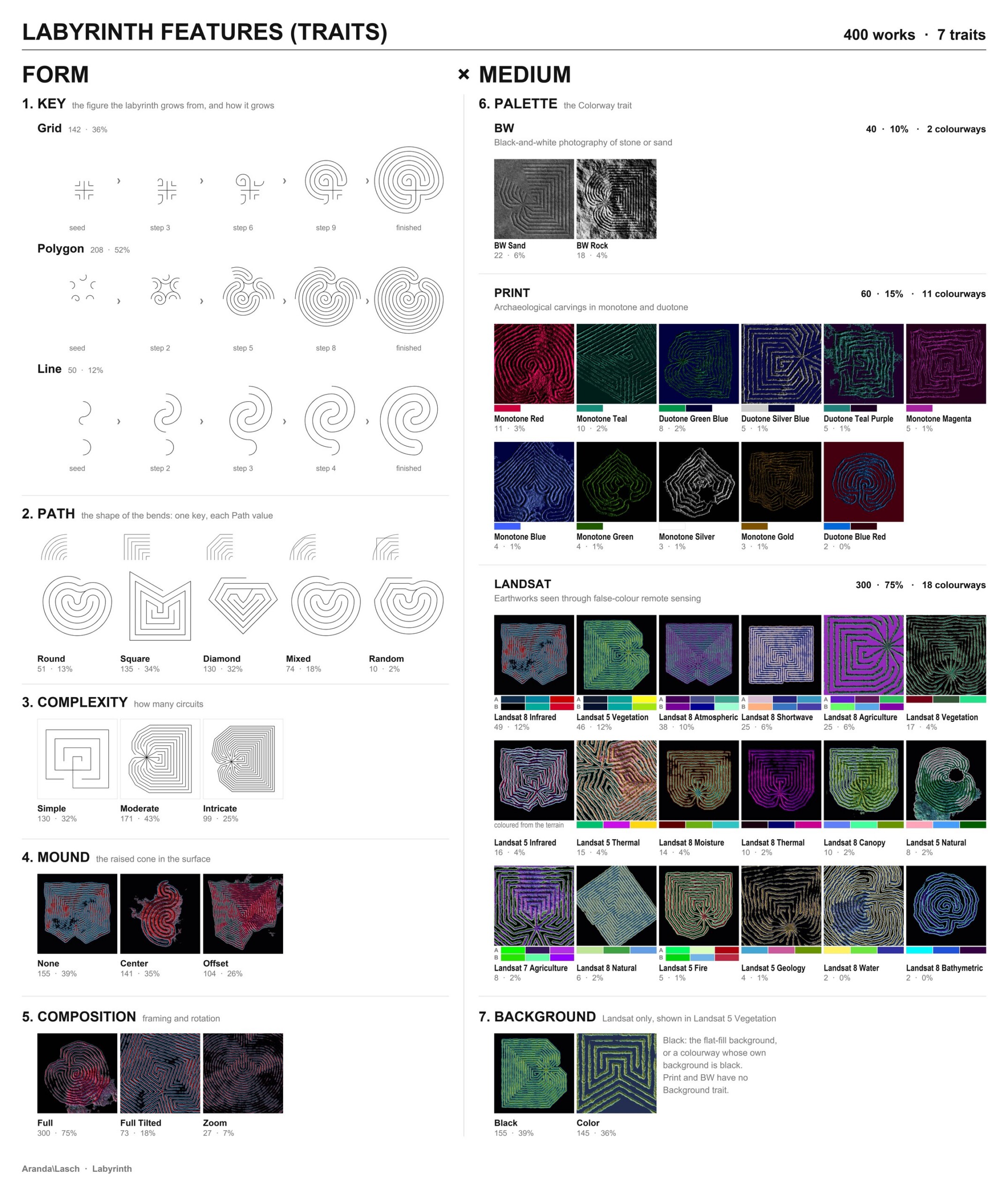
Labyrinth Features (Traits) Diagram
FEATURE DIAGRAM
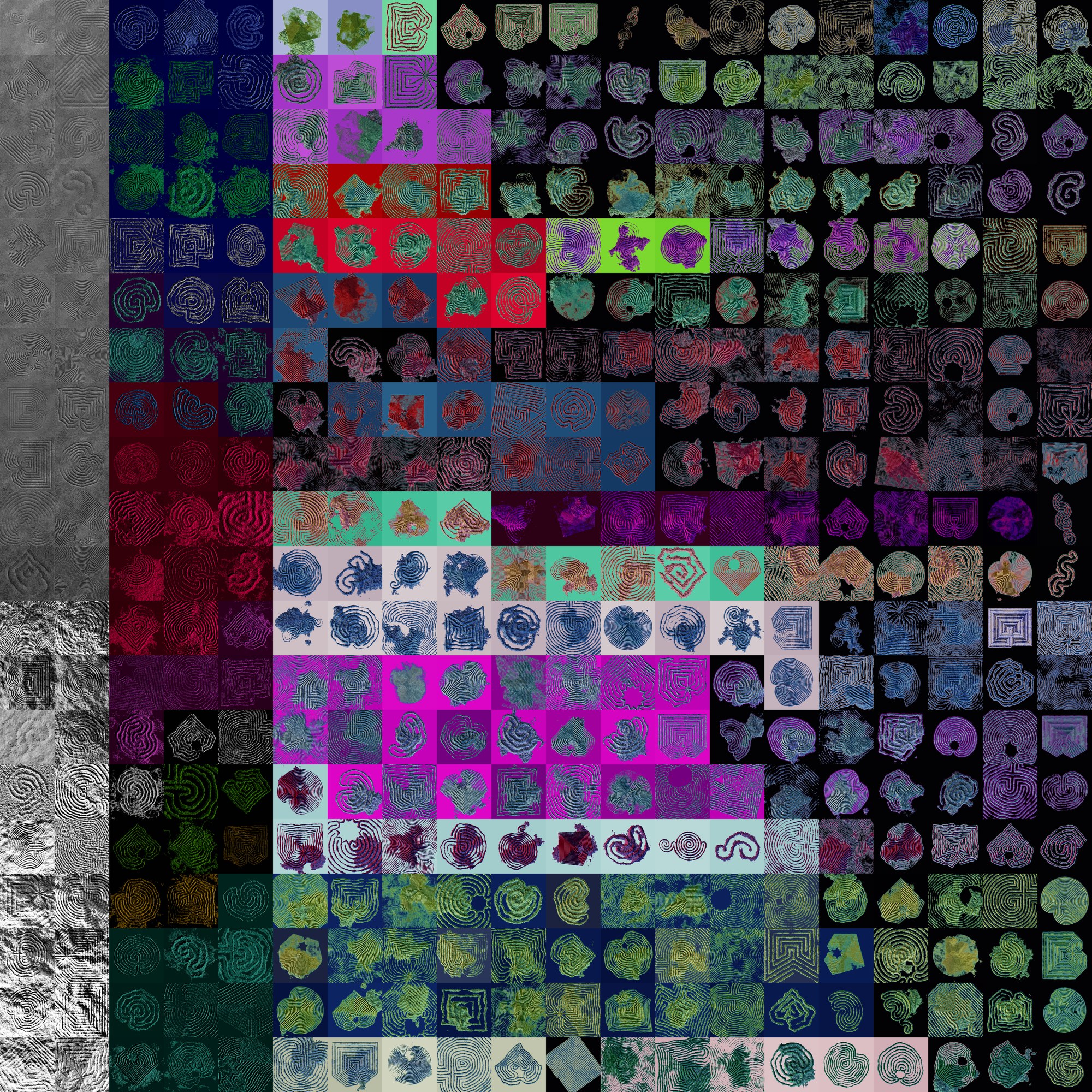
The Feature Diagram maps the internal logic, generative geometry, and expressive range of the Labyrinth across all 400 works. Functioning as both an index and a field guide, it breaks each labyrinth down into its seven constitutive traits—registered as attributes within the digital token—and visualizes their distribution across the collection.
Each work is cataloged across two primary axes:
Form (The Generative Geometry)
1. Key: The foundational grid from which the path emerges.
2. Path: The geometry and cadence of each bend.
3. Complexity: The density and scale of the circuit.
4. Mound: The topographical landform it rises into.
5. Composition: How the structure occupies the frame.Medium (The Archival Record)
6. Palette: The tonal system, pigment selection, or spectral band assignment.
7. Background: The material, archaeological, or planetary substrate in which the trace survives.
Read together, these axes reveal that no iteration is arbitrary. Each piece is a calculated outcome derived from a unified set of algorithmic rules—echoing how ancient labyrinths repeated a single spatial logic across continents and millennia. Together, the seven traits assemble an archive of speculative artifacts, documenting the past and future forms of the Labyrinth.
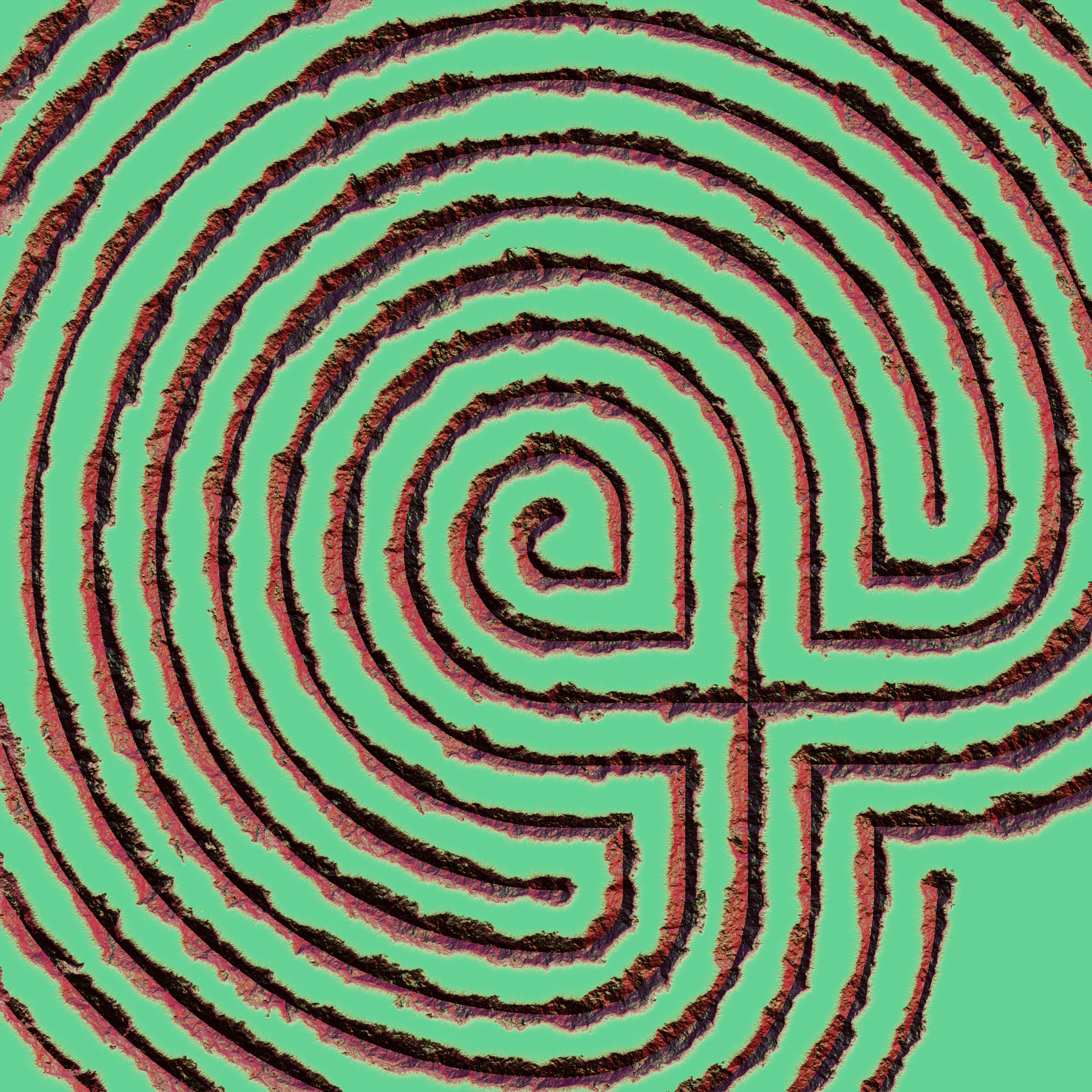
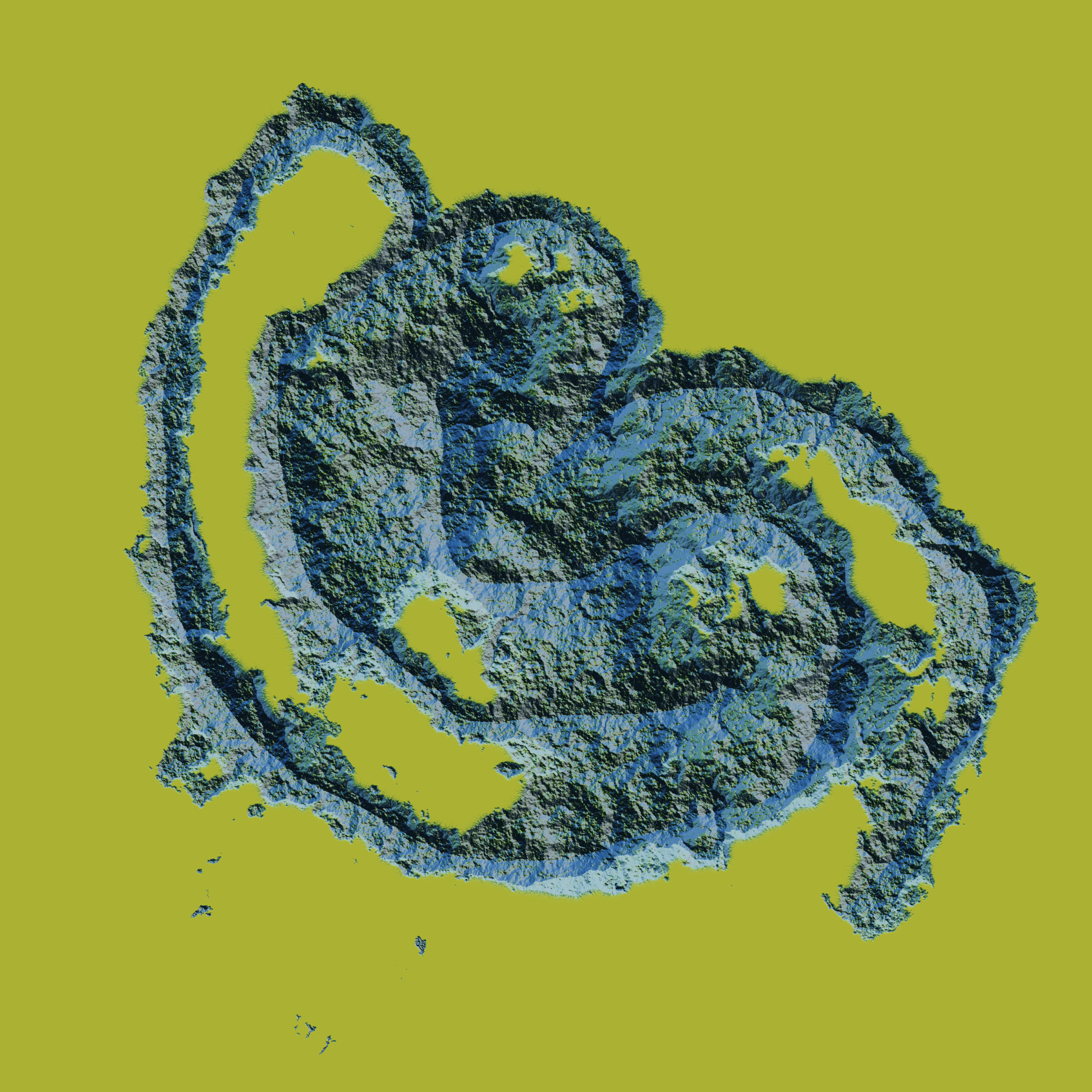
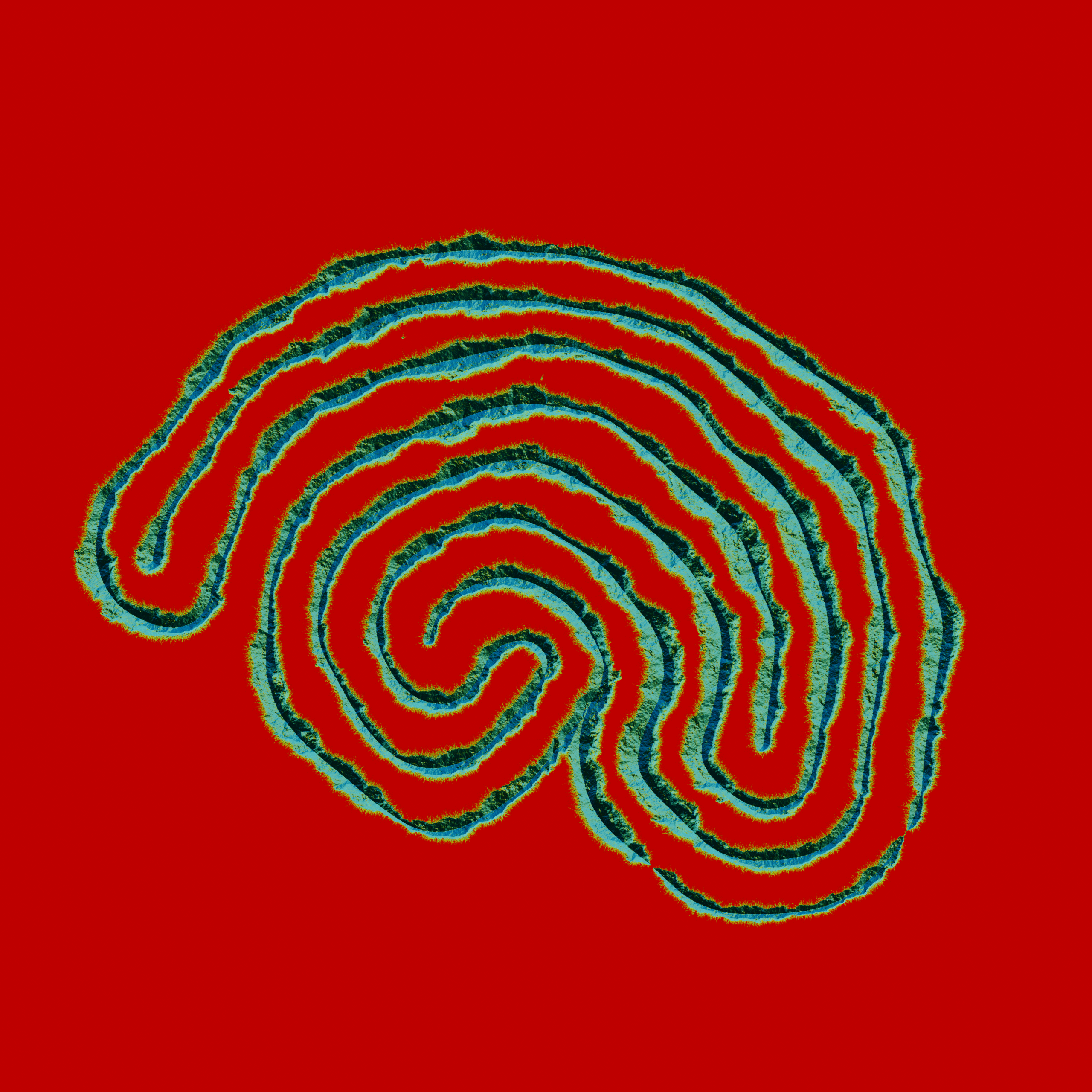
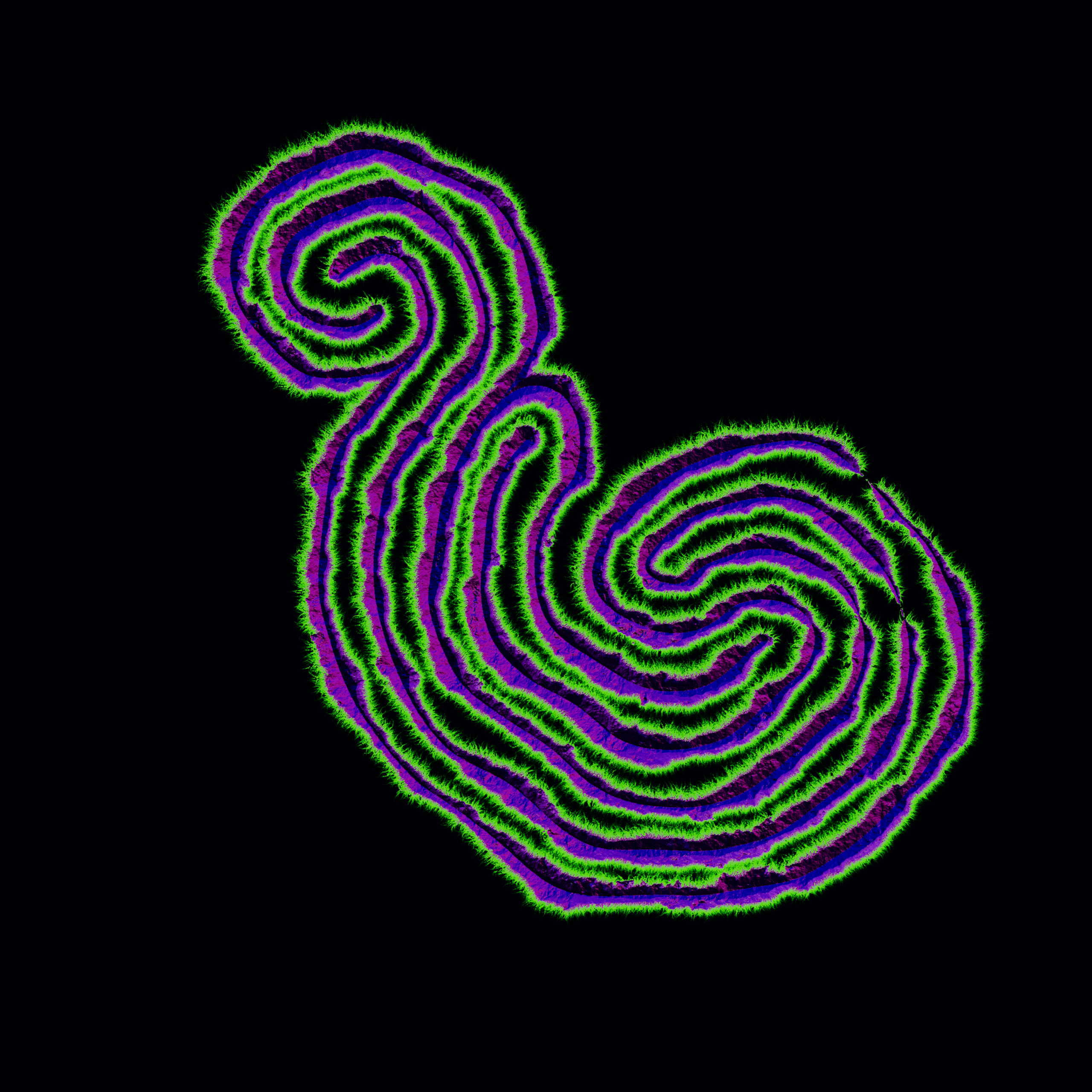
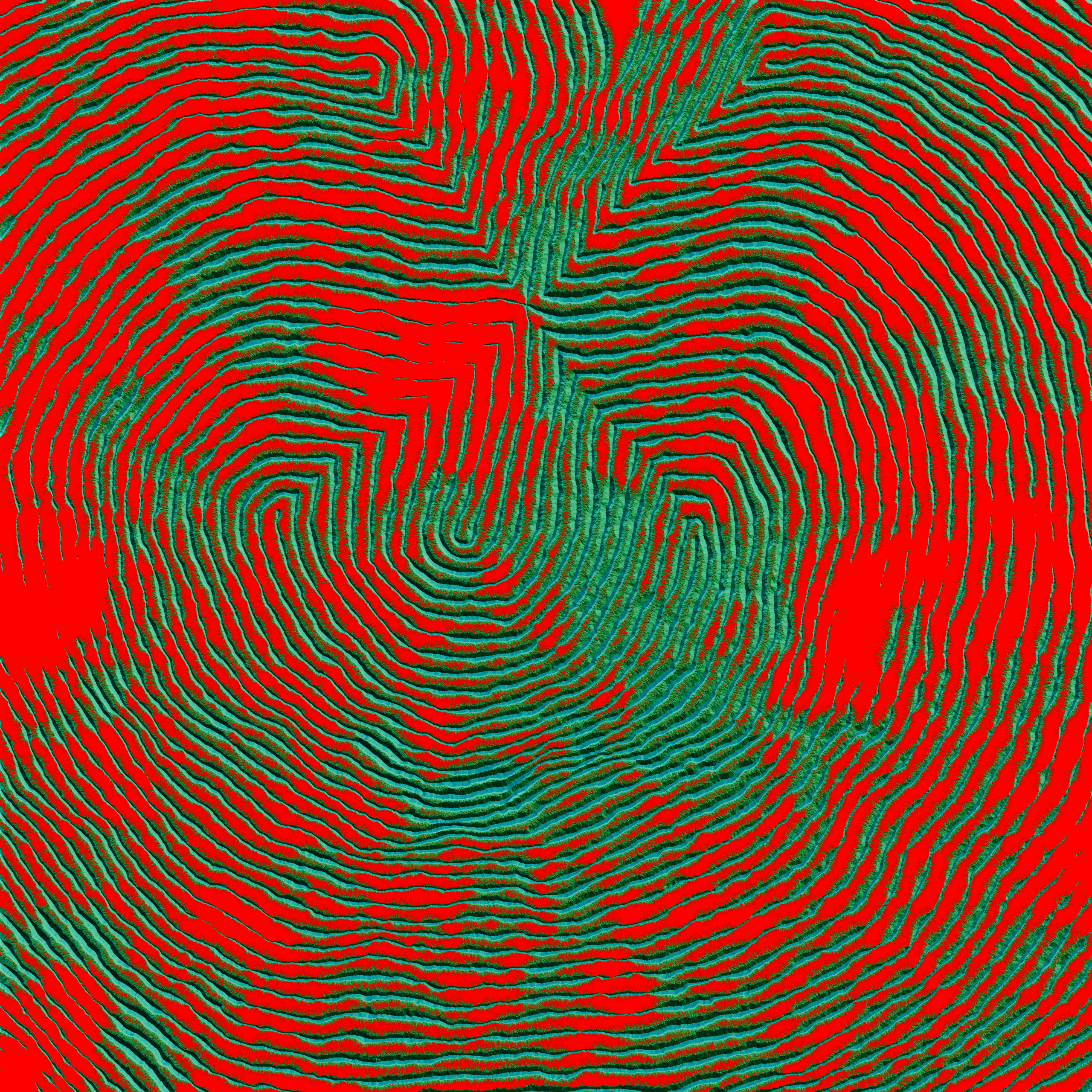
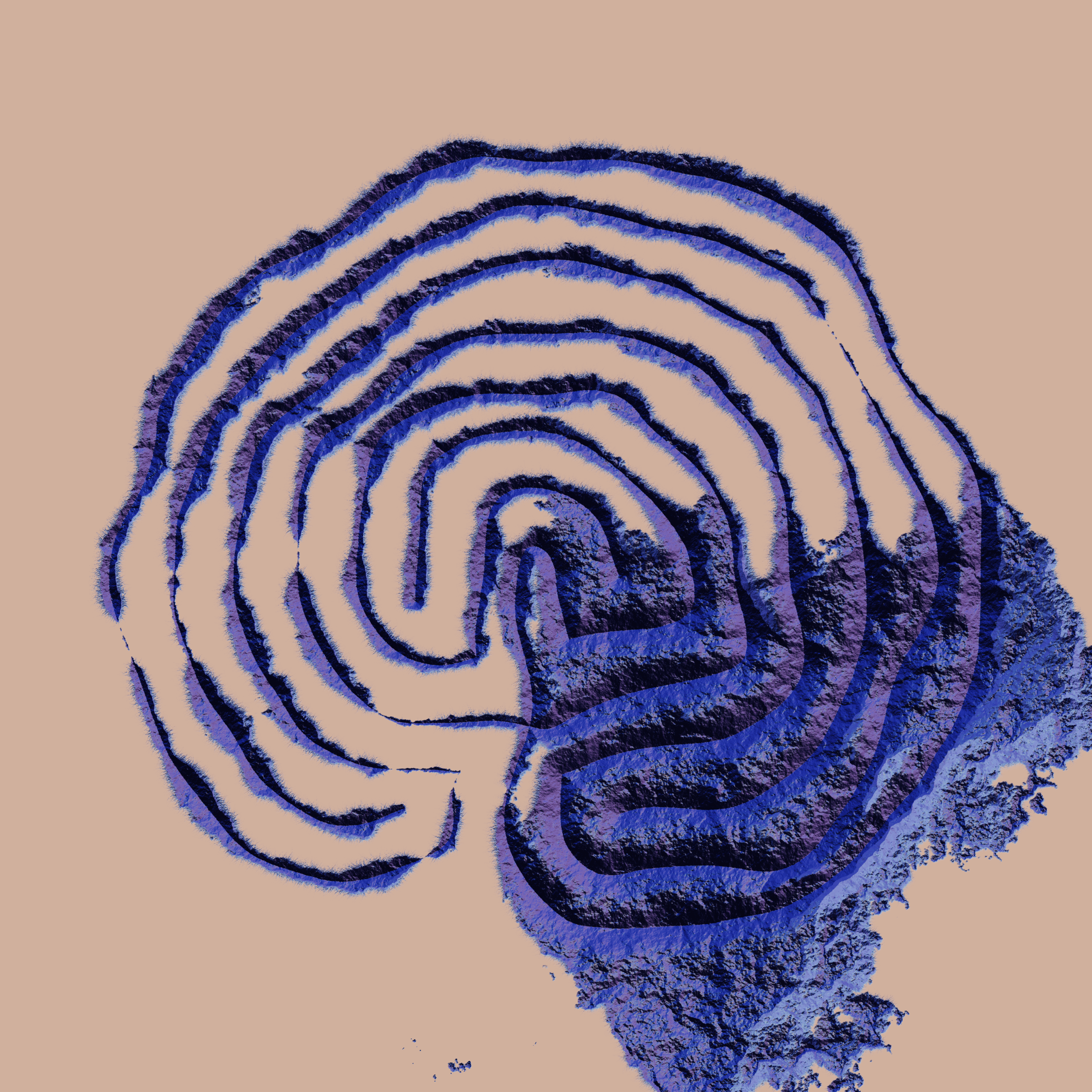
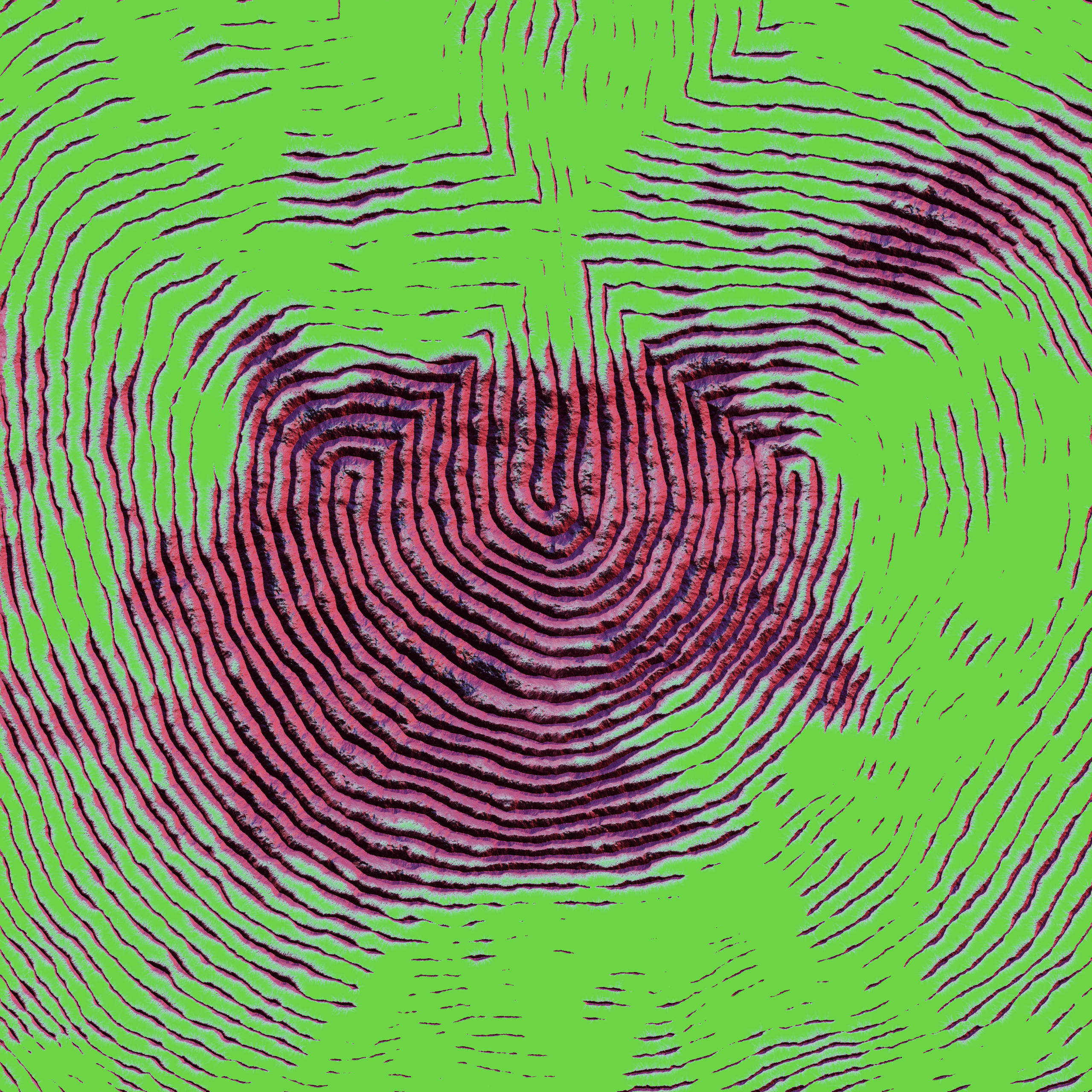
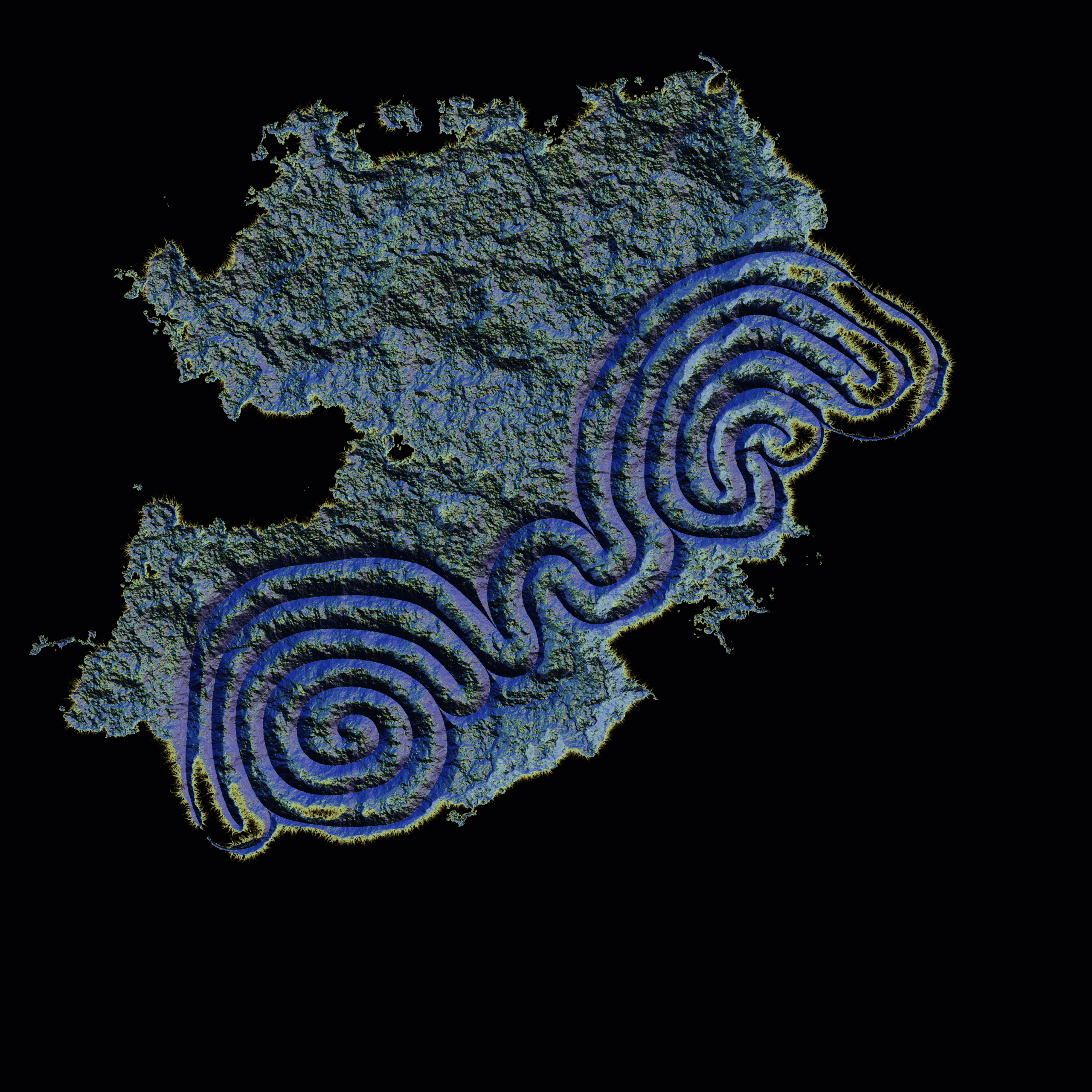
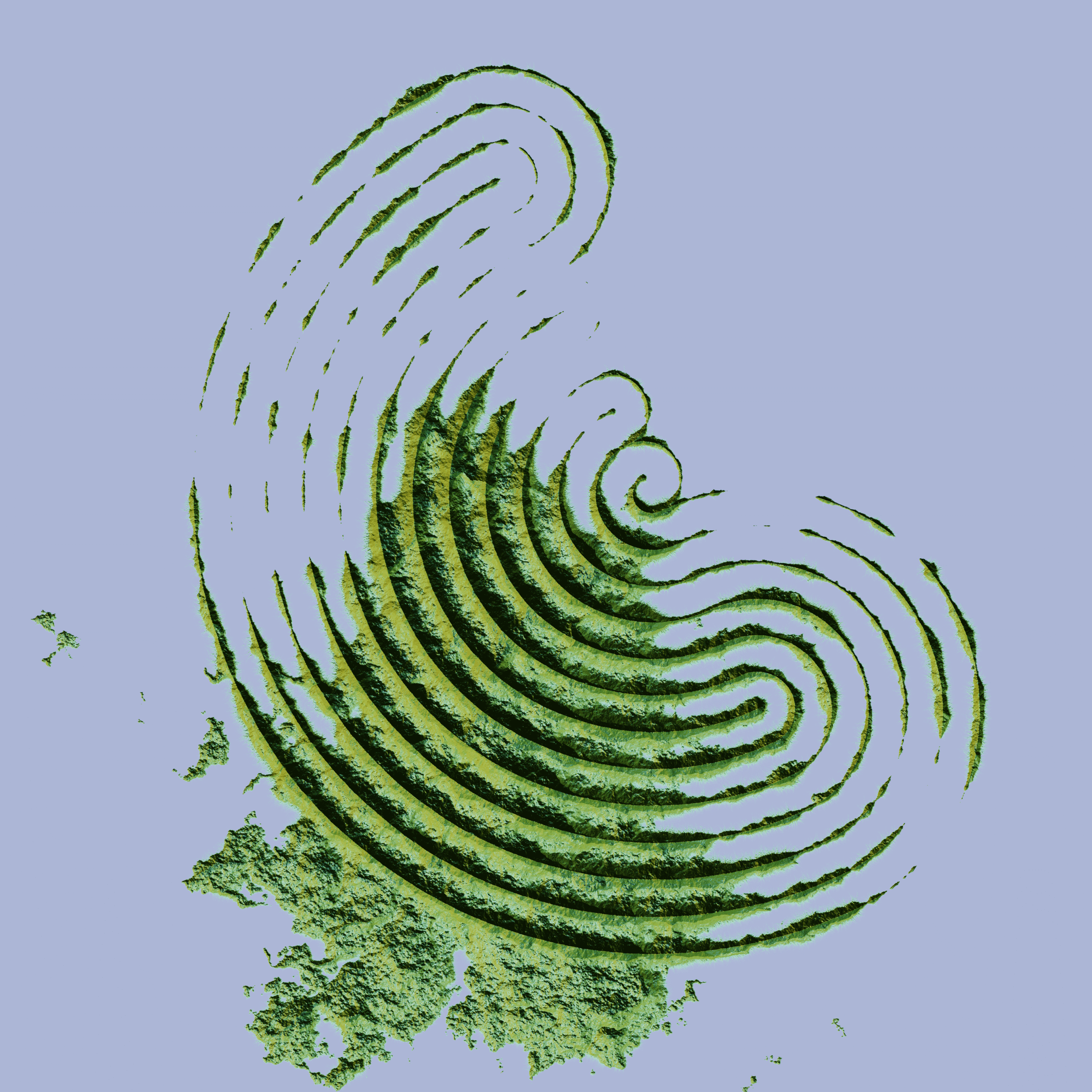
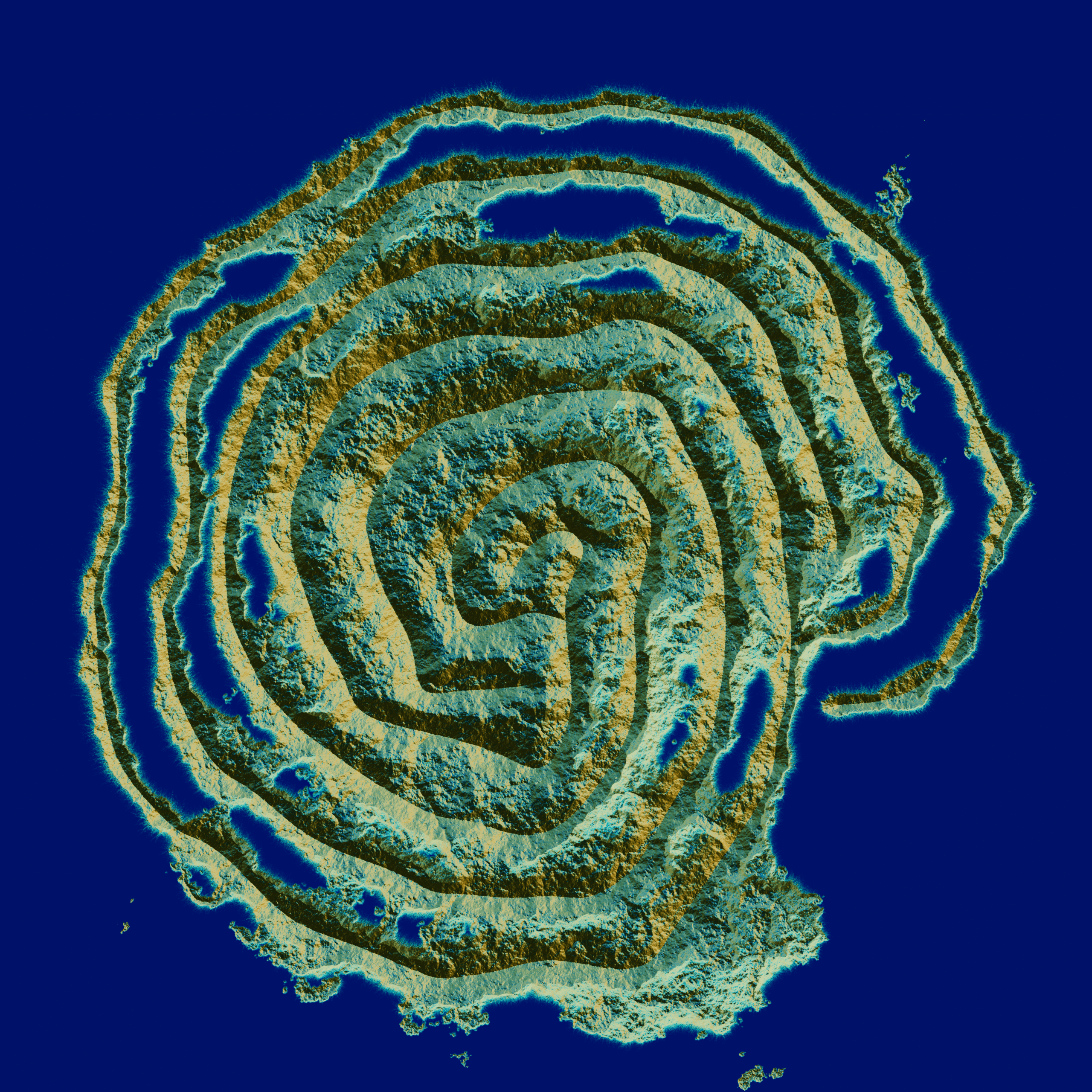
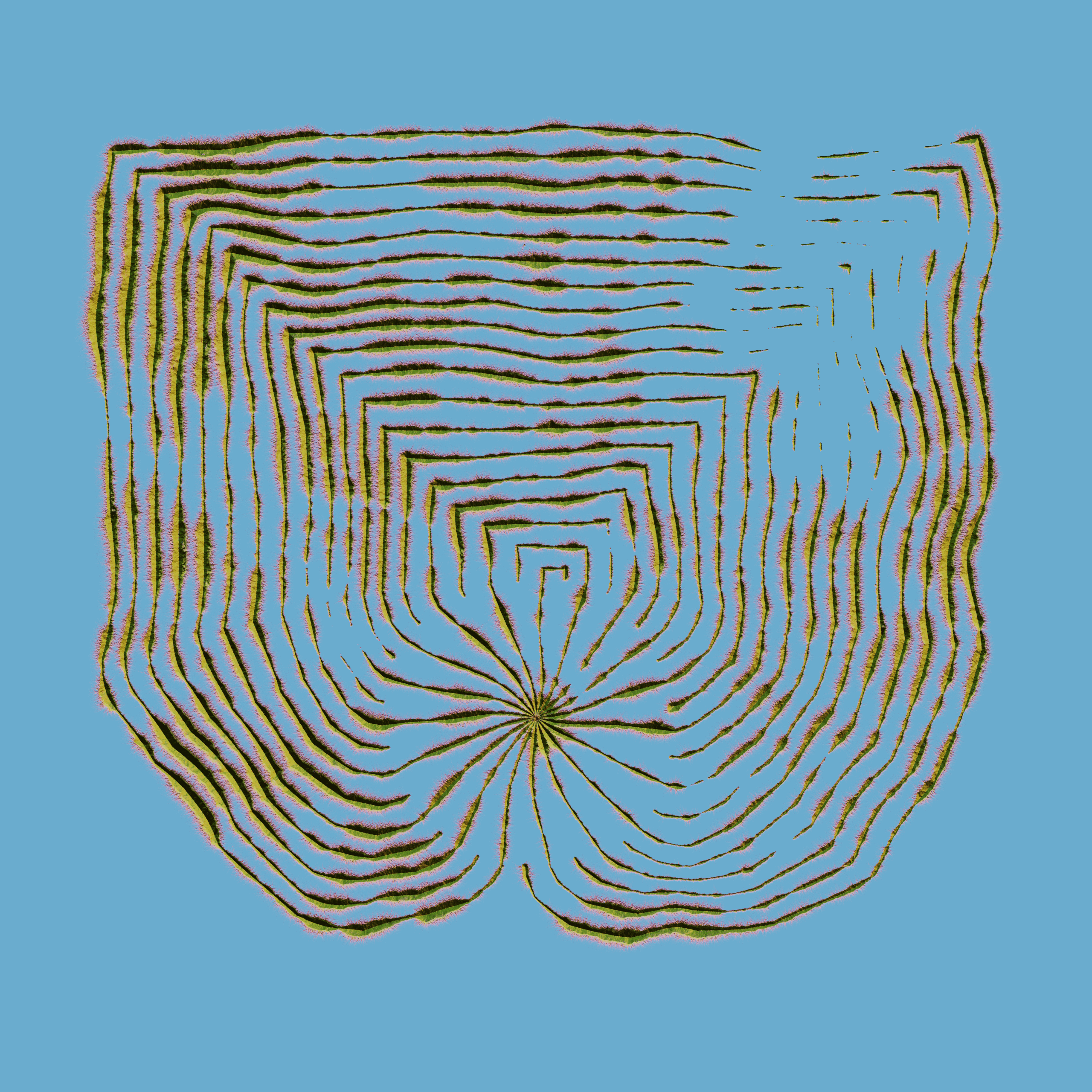
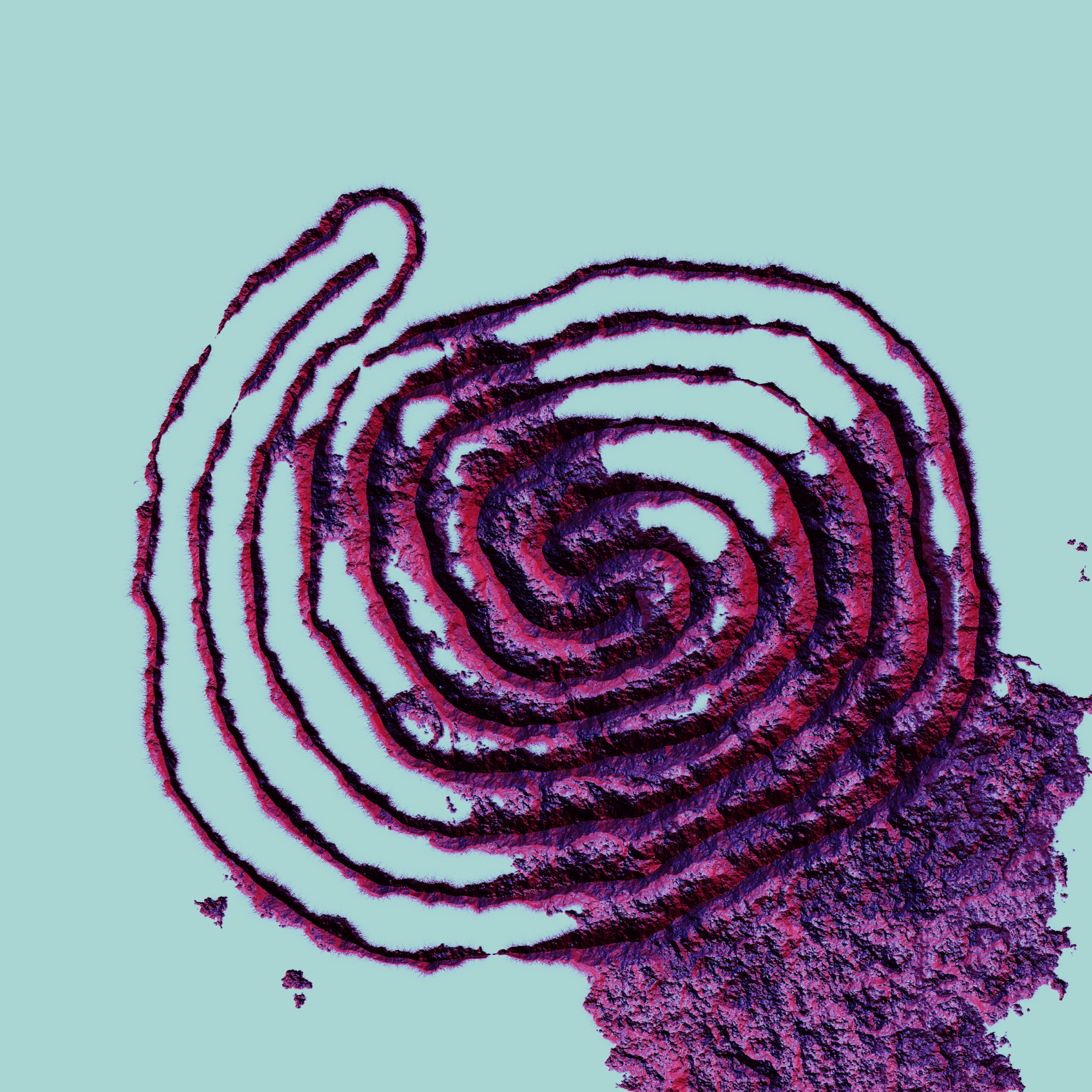
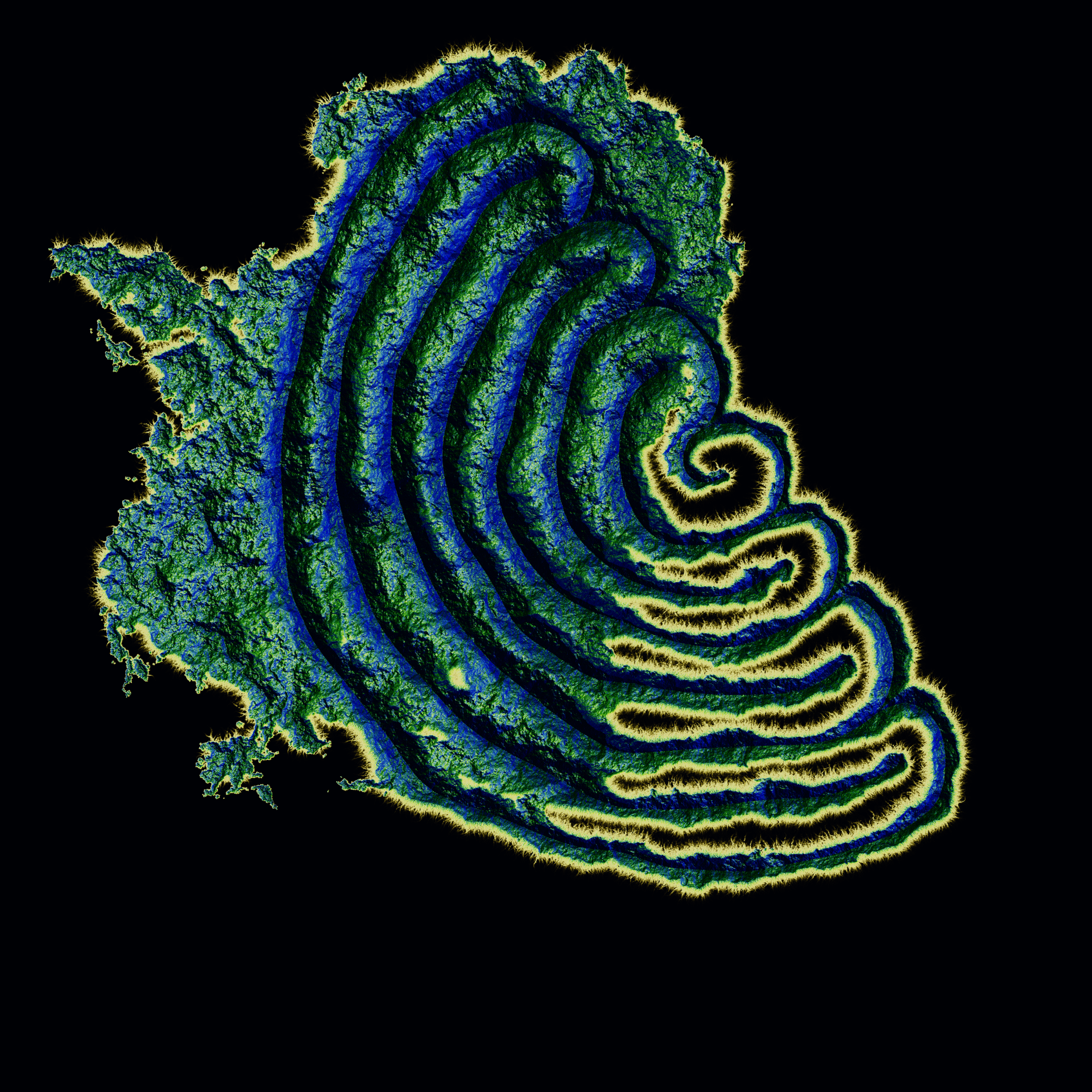
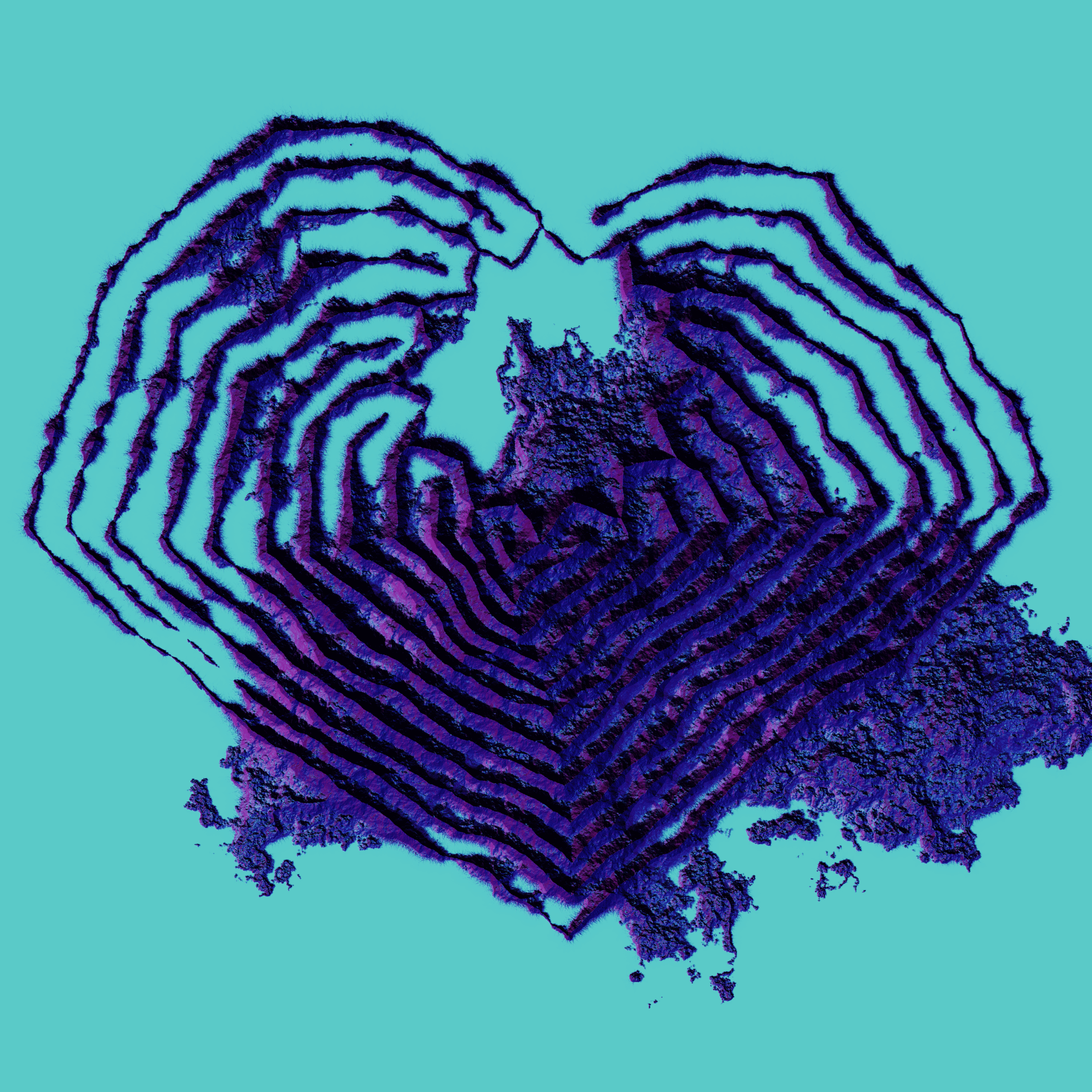
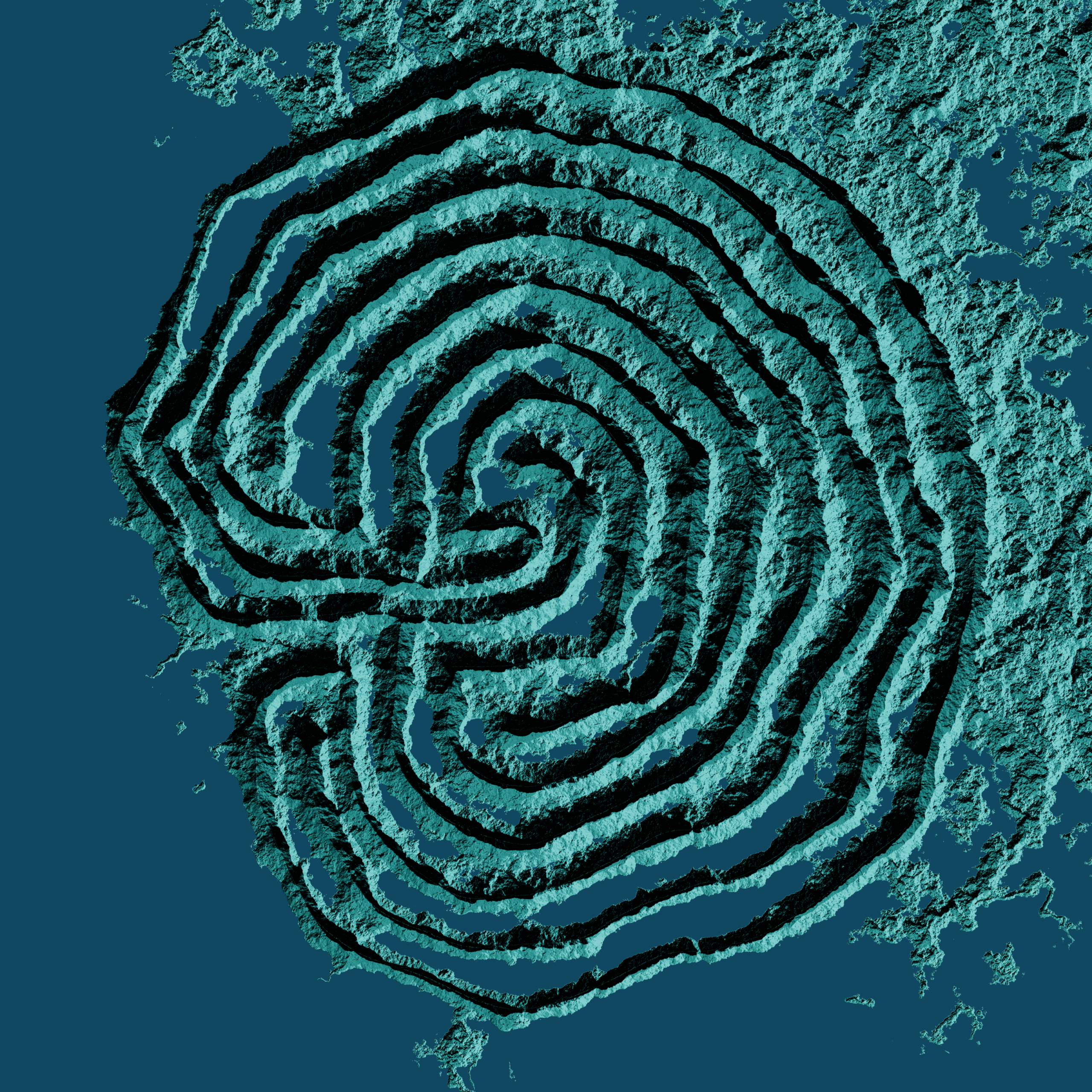
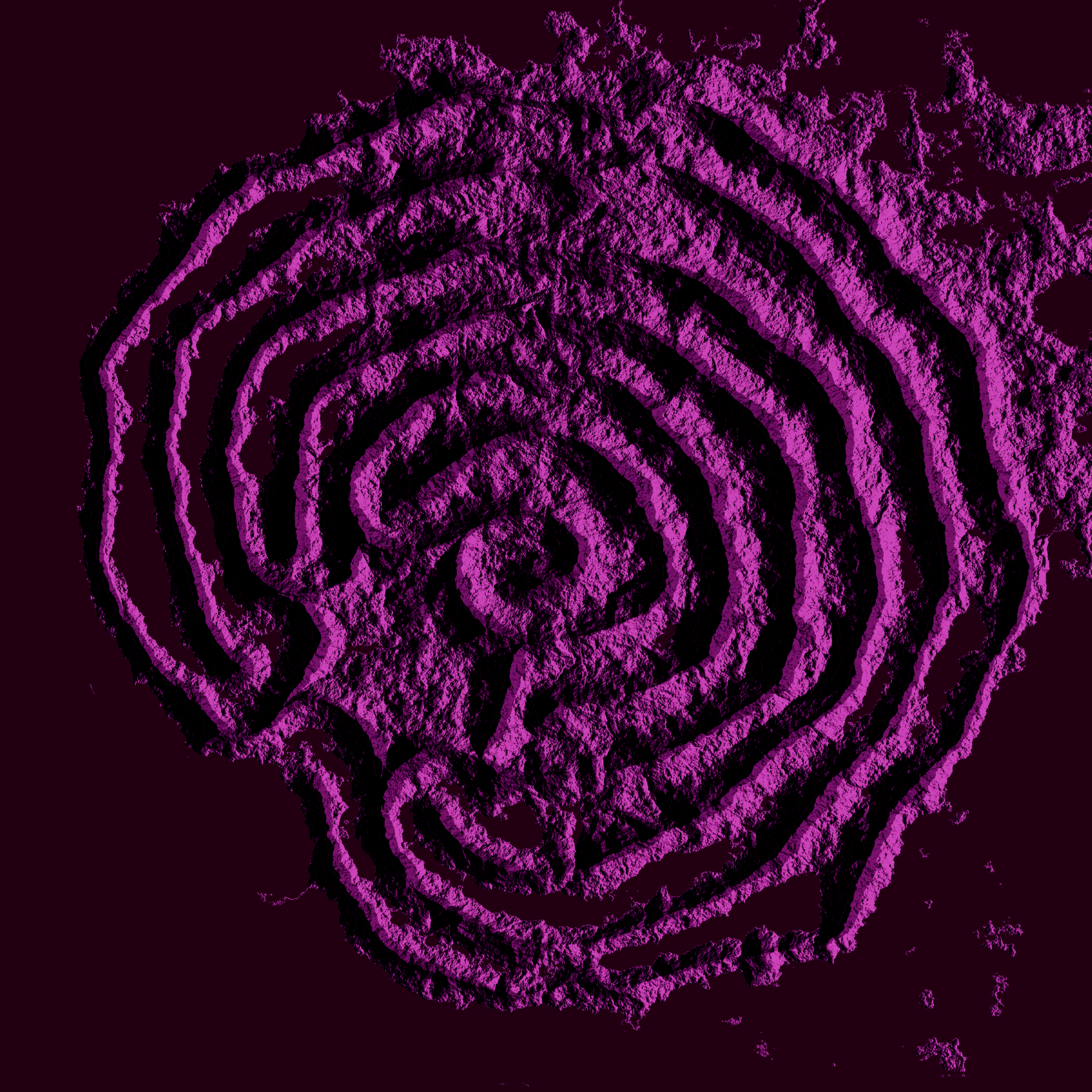
PALETTES ACROSS 400 OUTPUTS
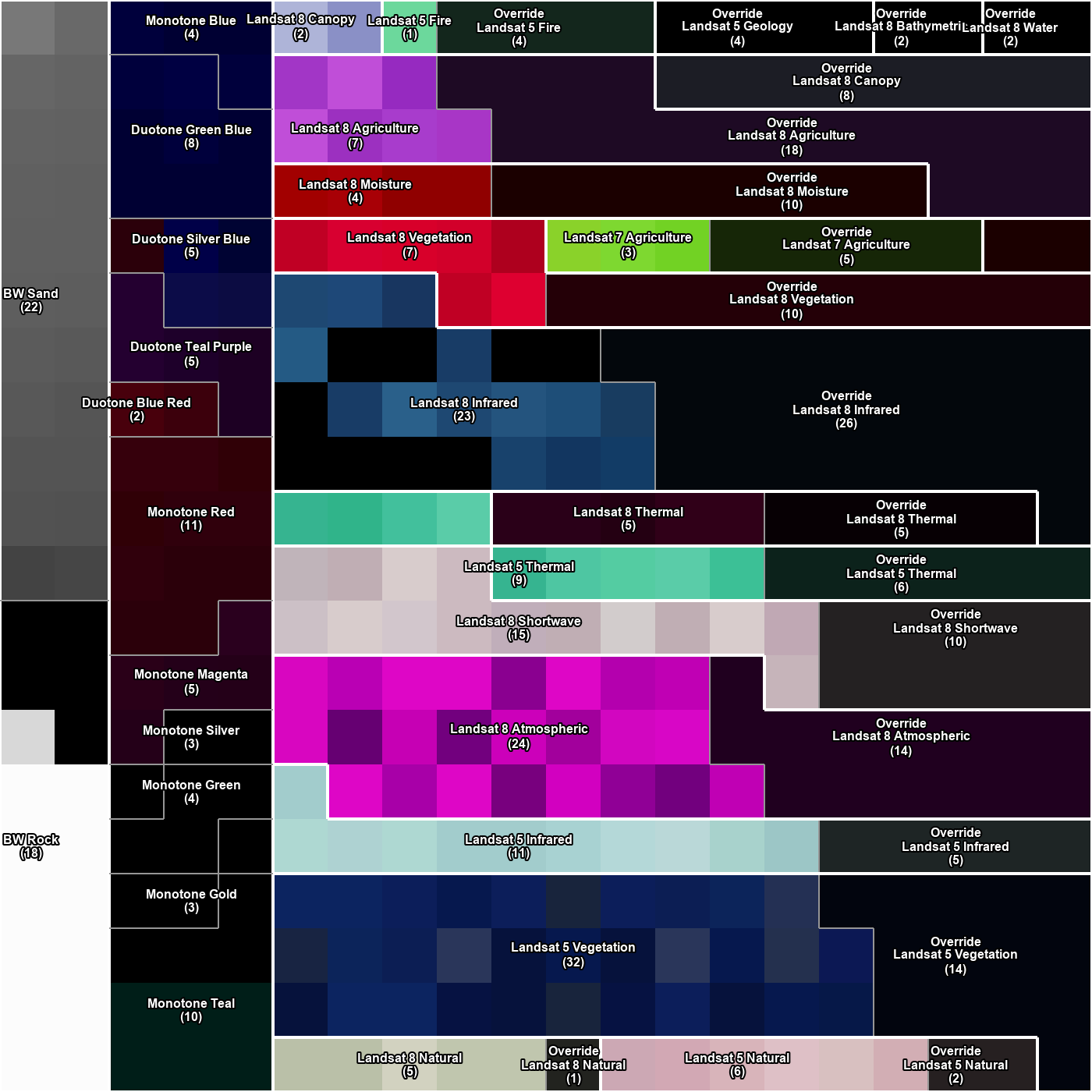
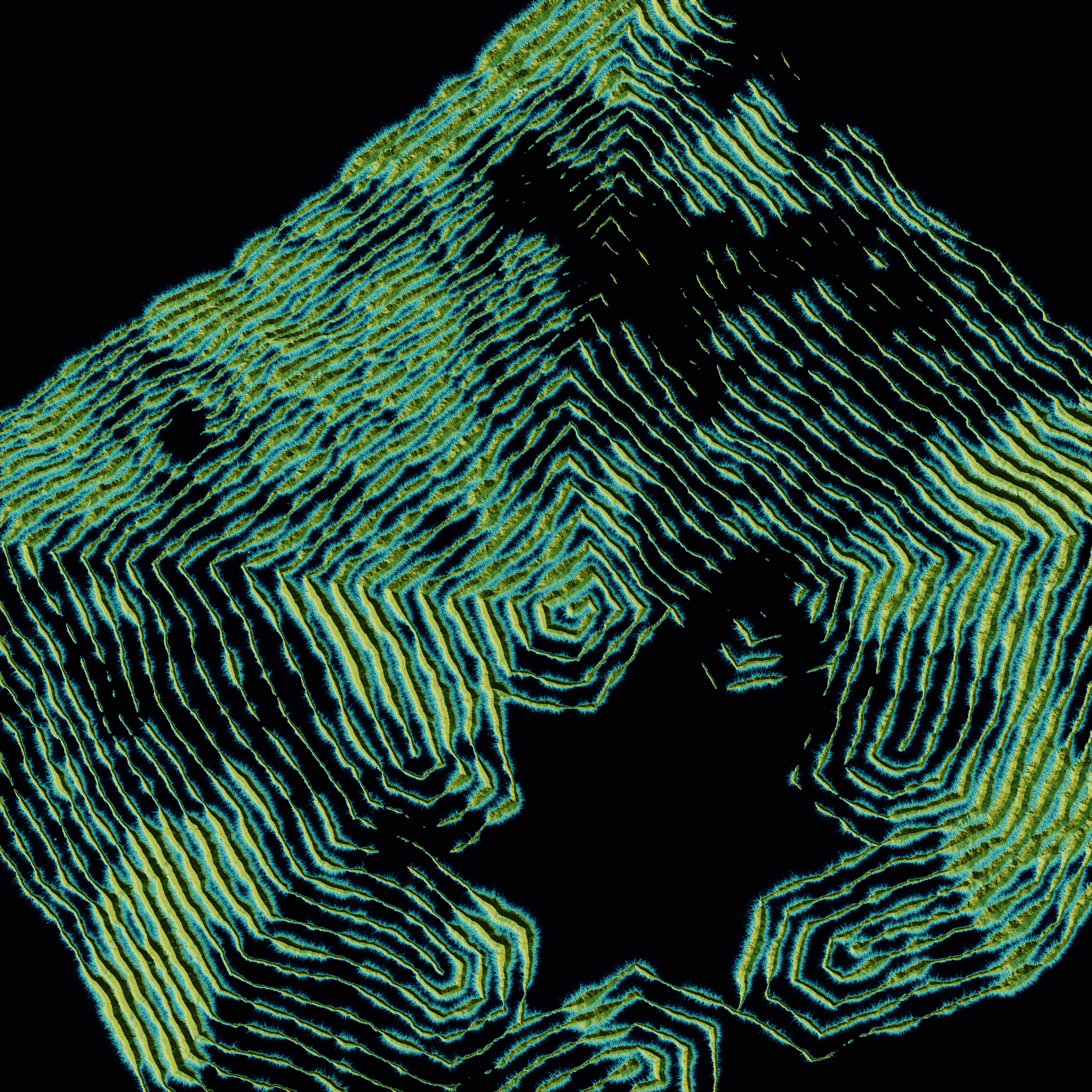
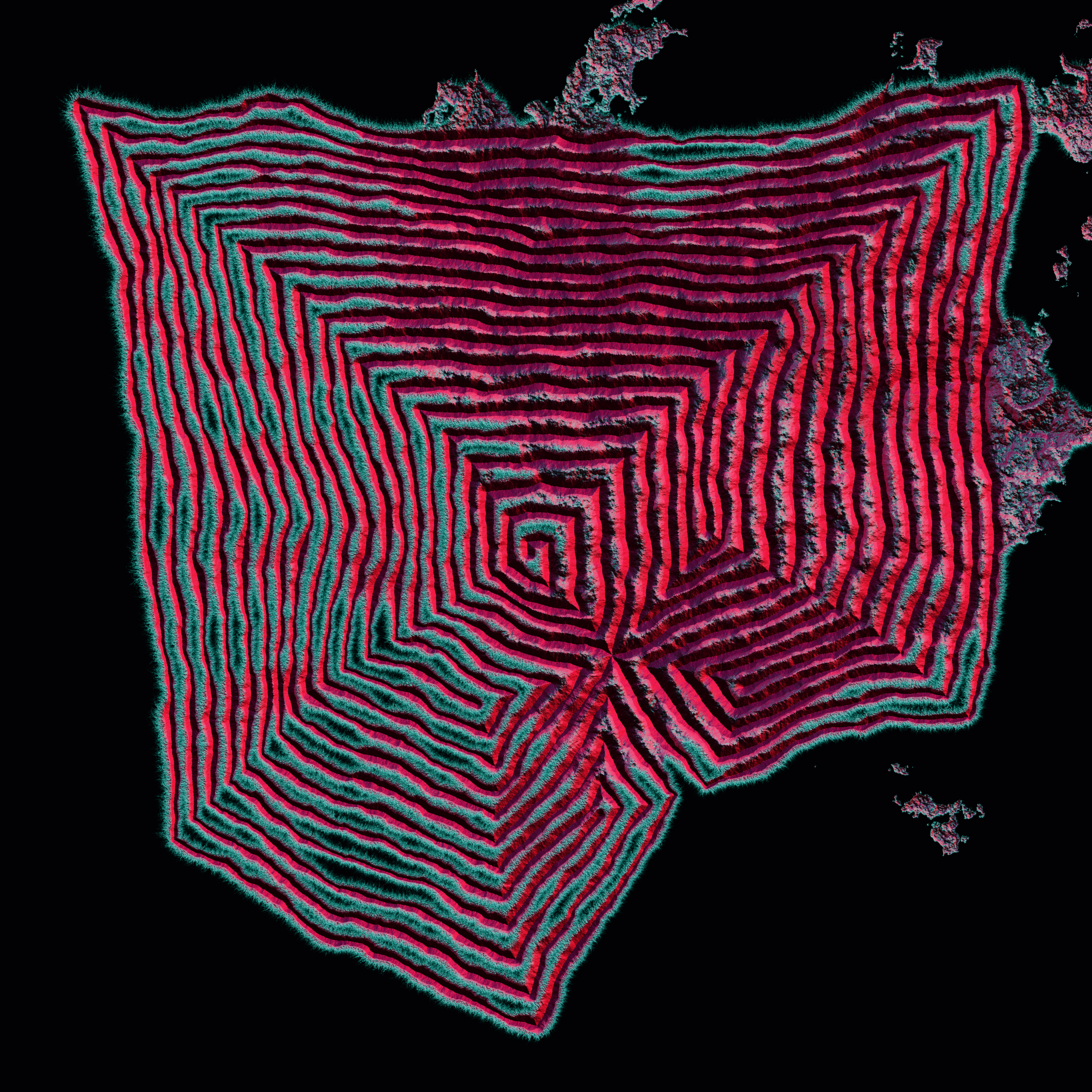
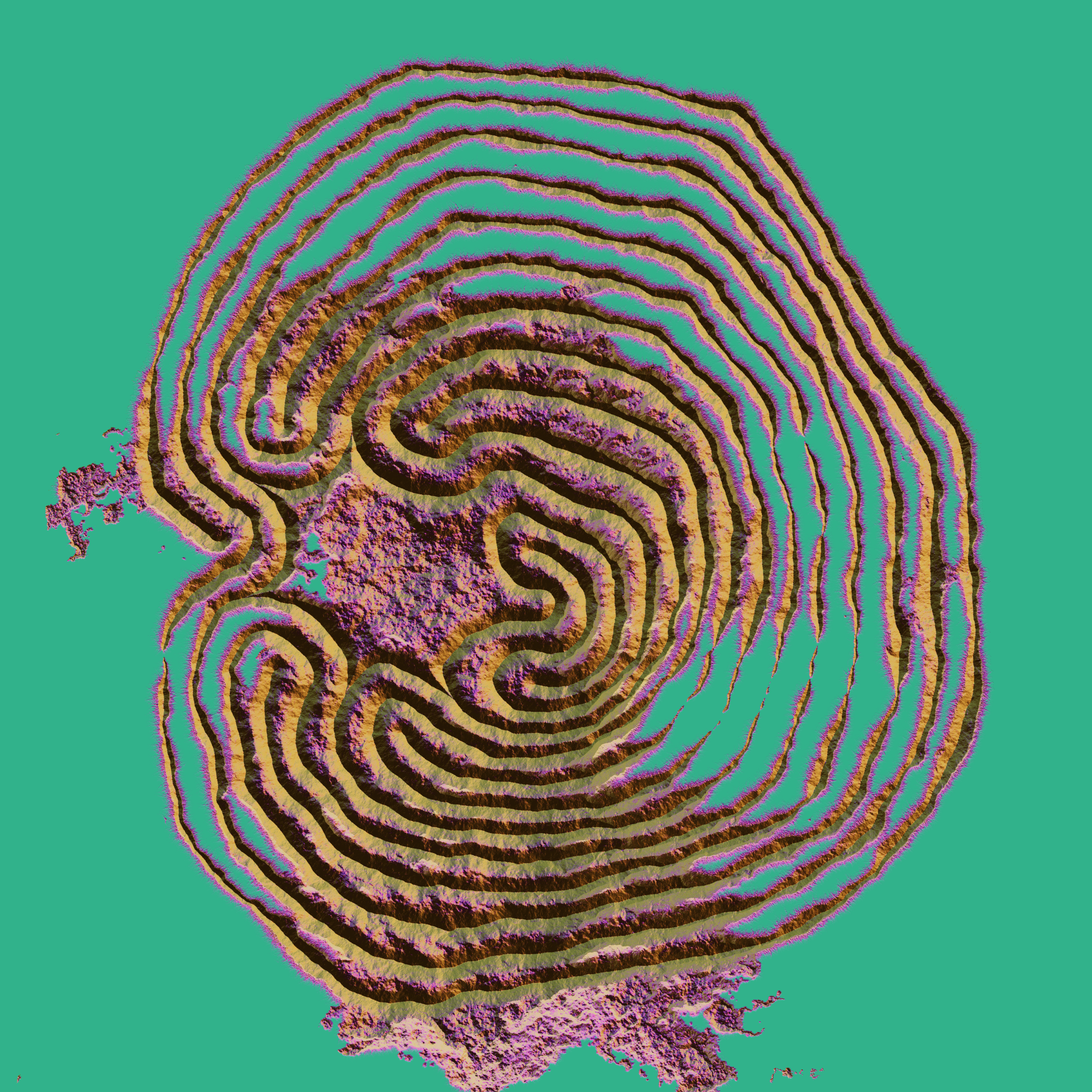
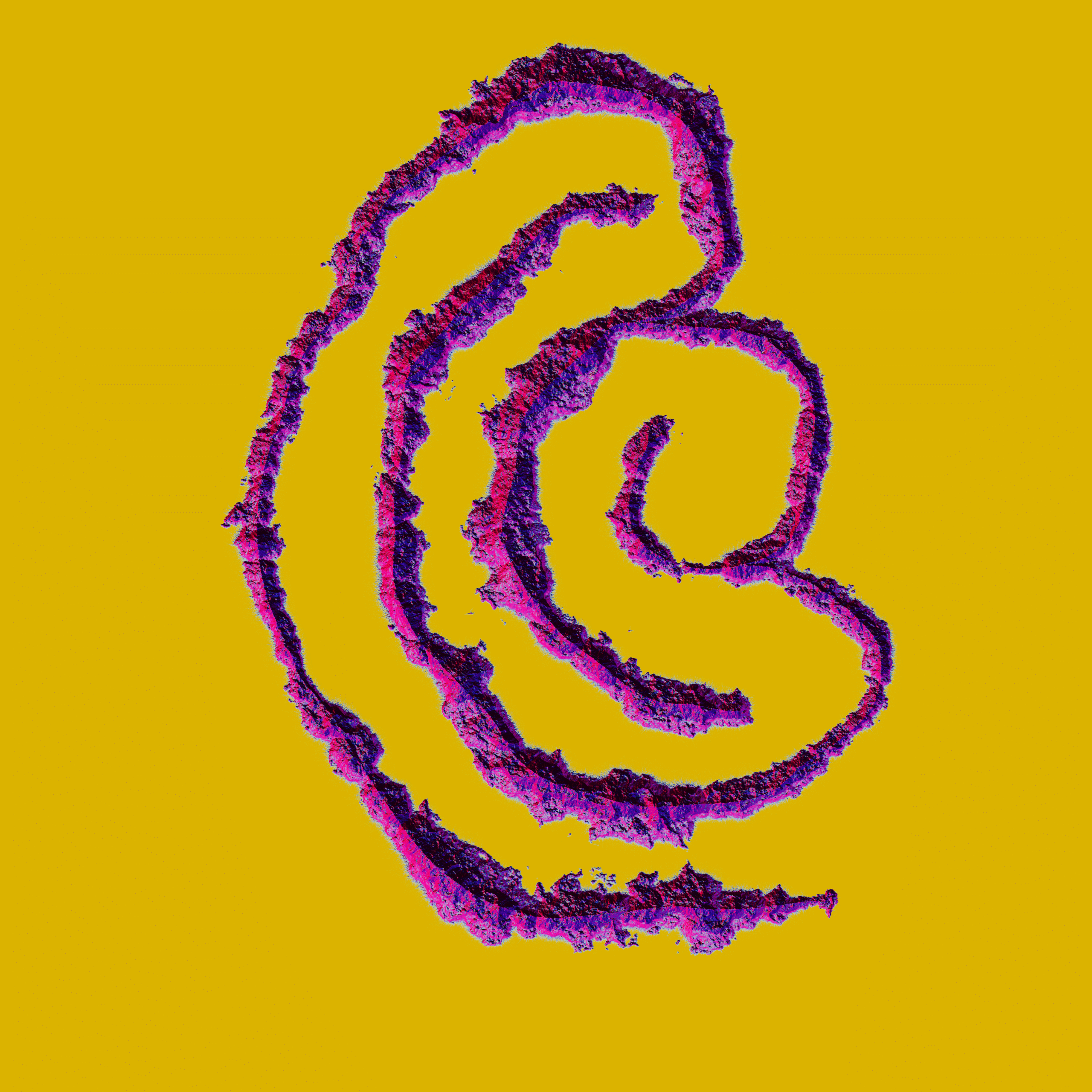
Across varied mediums, the 400 outputs present the Labyrinth as distinct forms of historical evidence:
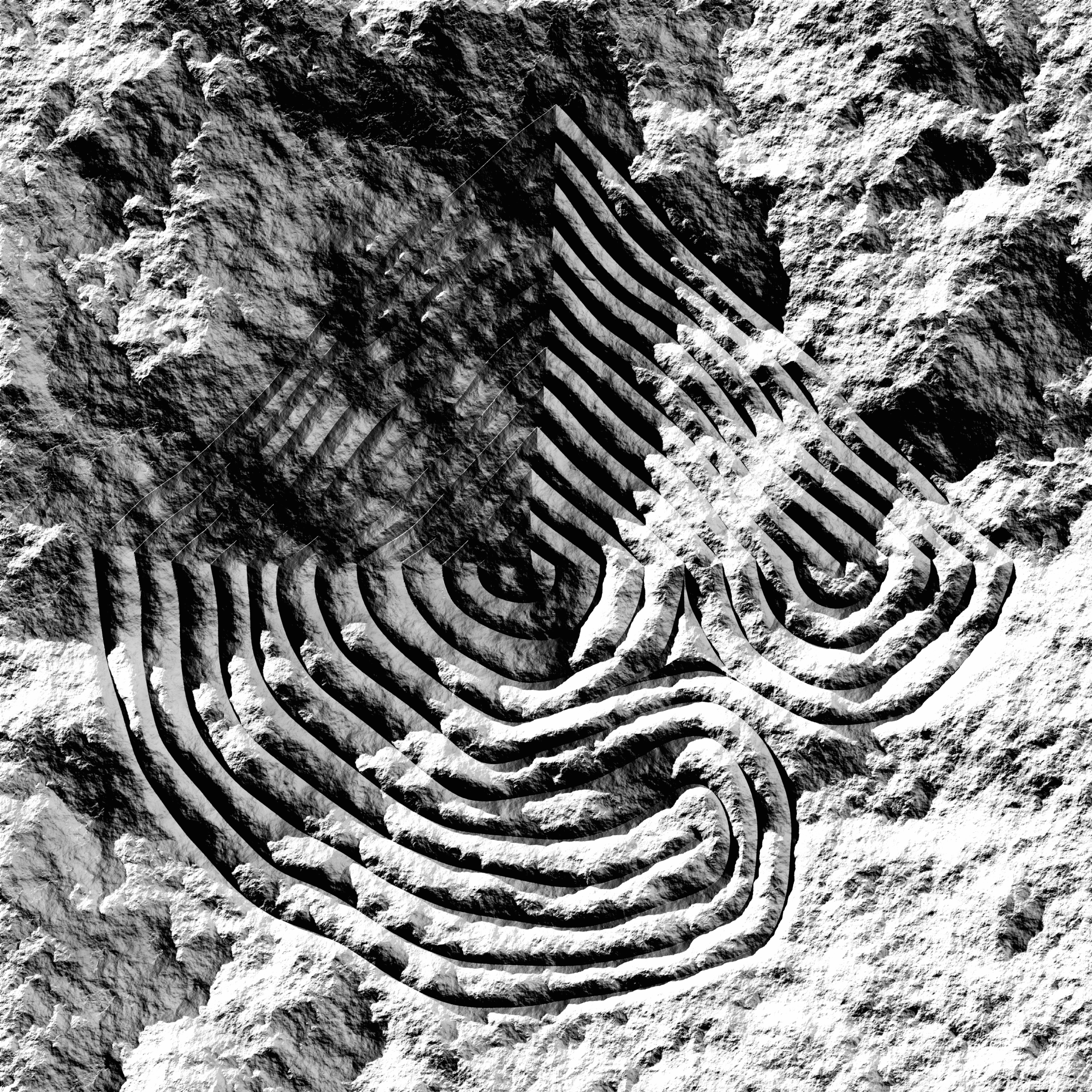
The B&W Palette frames the work as an archaeological find—a black-and-white field photograph of a pattern carved into stone or etched in fine sand, documented on-site for archival study.
The Print Palette captures the Labyrinth through historic relief printing and engraving methods. Its monotone and duotone colorways read like tactile impressions pulled from an inked block or etched plate, translating the labyrinth from physical object into graphic image.
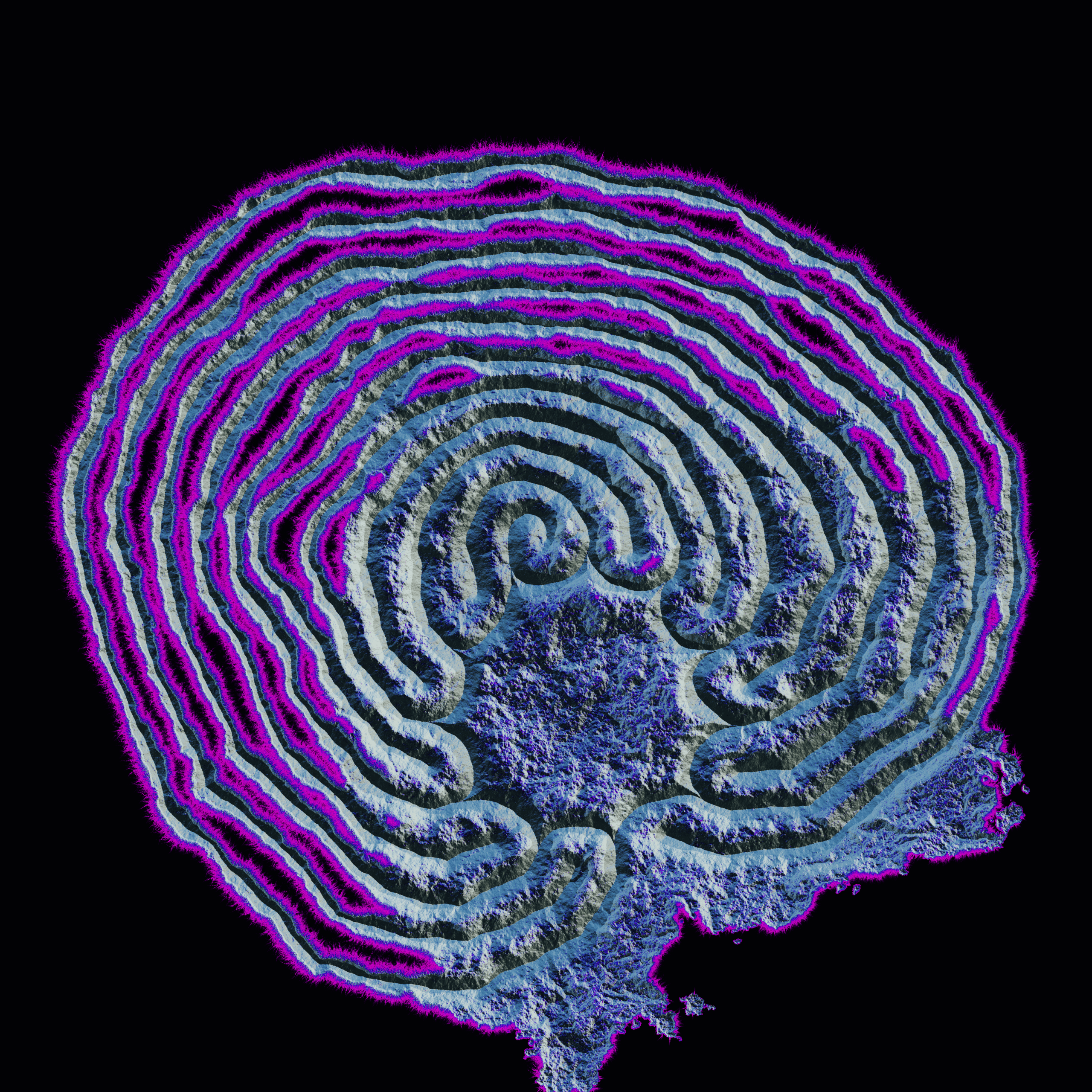
The Landsat Palette, which forms the core of the collection, scales the Labyrinth from the human hand to the planetary surface. Here, the labyrinth manifests as an earthwork viewed through the non-human lens of Earth-observation satellites. Each variation is named after an authentic Landsat spectral band combination—spanning early 1972 missions to modern instruments—tracking planetary signatures such as canopy cover, surface moisture, thermal radiation, and atmospheric density.
Across every palette, the work oscillates between an archival document of the past and a speculative landform of the future.
DIGITAL OUTPUTS






PHYSICAL EDITION DETAILS
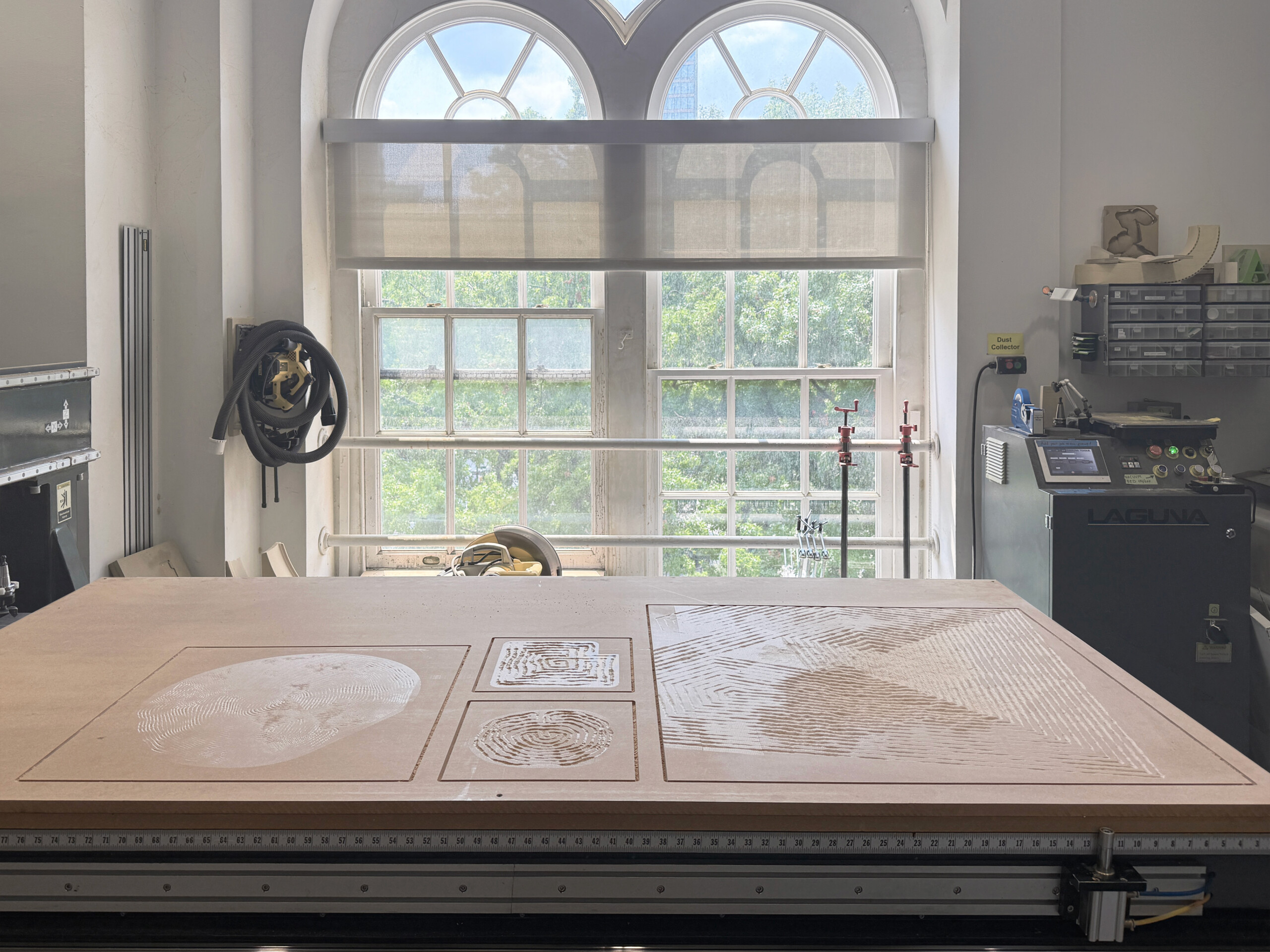
The physical reliefs are made using a novel combination of CNC milling and printing, where exact tolerances have been prototyped for maxiumum impact. Aranda\\Lasch creates physical works that reconnect new digital technologies with time-honored methods of making. CNC tooling was developed in collaboration with The Cooper Union AACE Lab with the support of the IDC Foundation.
LABYRINTH AS LAND ART
The studio is also exploring how the Labyrinth can make large-scale outdoor works through collective building. Imagined as land art, the Labyrinth software can be used to encourage a collective building effort, one stone at a time. In this case, generative art is a blueprint for physical construction allowing for land, community, and educational partnerships. Currently in development, Aranda\Lasch is designing The Labyrinth at The Delle, a landscape remediation project in Utah. Over 4 miles long, this labyrinth would be the largest in the world and will be draped over the topography of an old mining site.

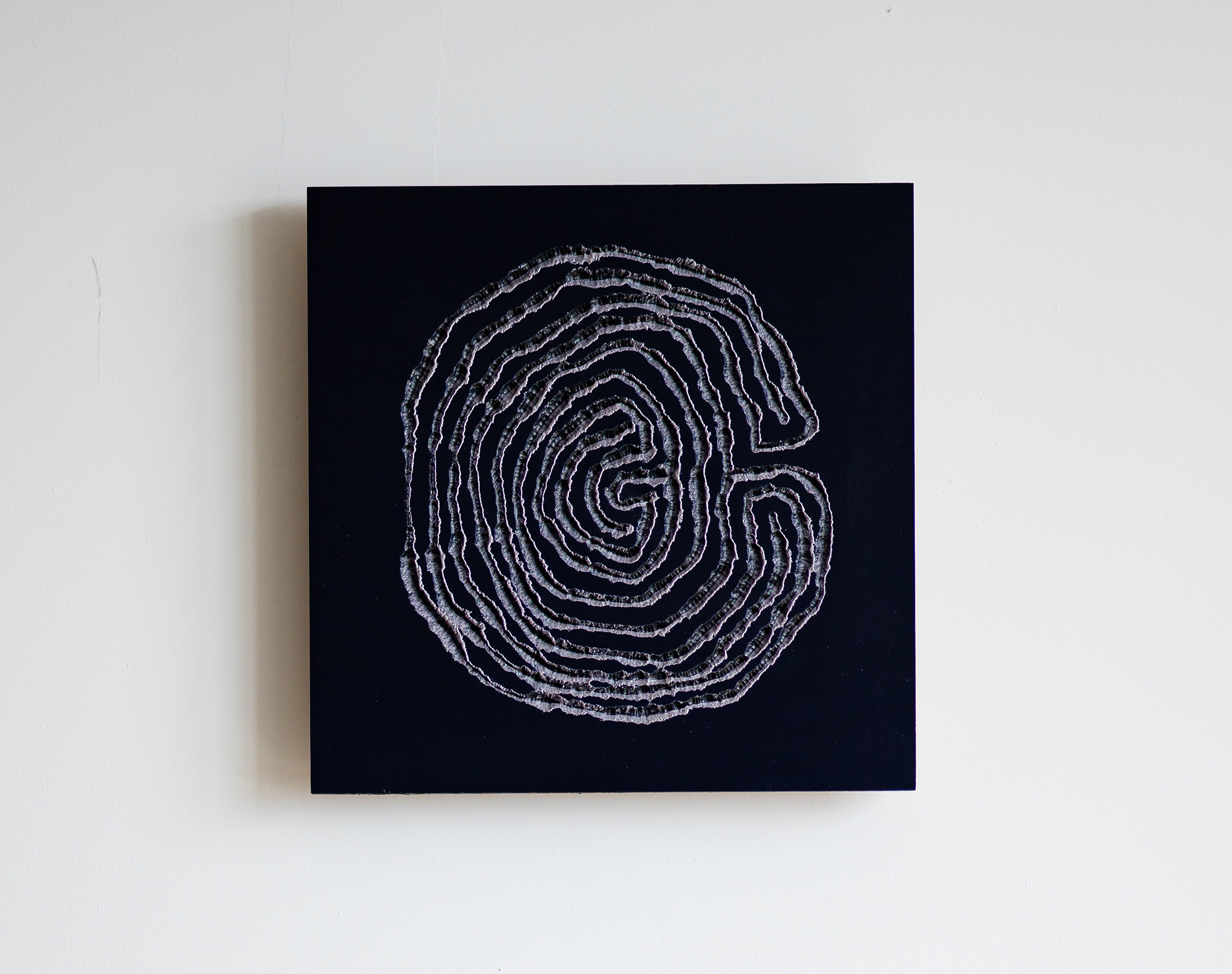
Labyrinth: Plaster I, 36” L x 36” W x 2” H, Glass Fiber Reinforced Plaster, Galvanized Steel Wire

Equinox Labyrinth, Earth Offering at The Delle, Utah, 2026
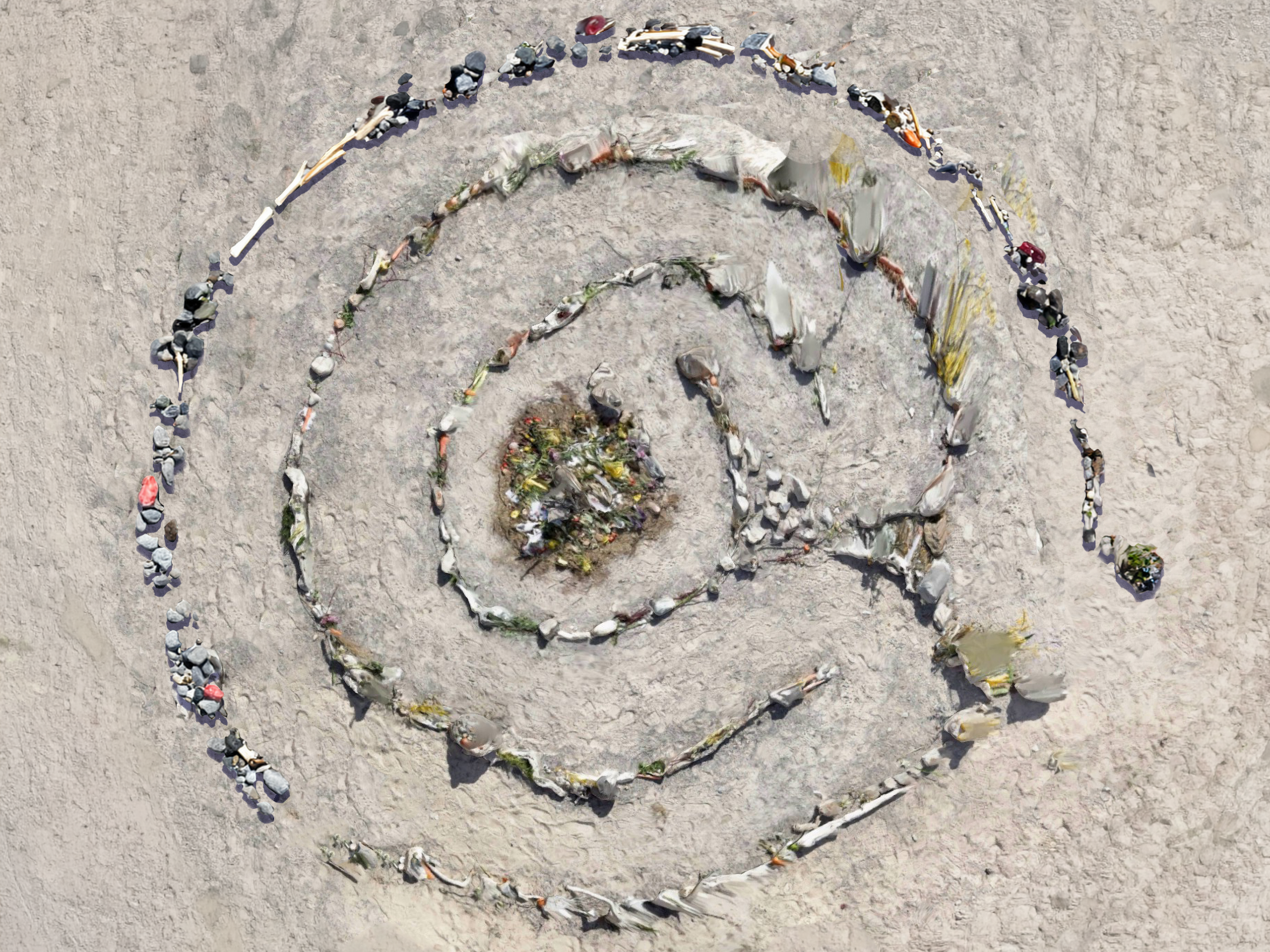
Equinox Labyrinth, Earth Offering at The Delle, Utah, 2026

The Labyrinth at The Delle, a landscape remediation project in Utah for The Divine Assembly.
GENERATIVE HISTORIES
Our studio is committed to learning from the past. We focus on the generative histories behind culture, the kind of making that constructs lasting traditions, edifices, artifacts of heritage that help form meaningful bonds in people. We live in an age dominated by algorithms and yet under their spread we have witnessed the algorithm’s descent into frivolity, inequity and bias. But history has lessons for this moment; how algorithmic thought creates spaces of ritual, connects people to cultural practices, fosters tradition, and transcends materialism. Our field of expertise is the teaching, writing and practice of design as the interplay between rule-based systems and human culture. Through this project we salute the labyrinth builders of the past, the geometers of bygone eras who got caught, like us, in its net.
\ Related Projects